Cashback Variants in Mobile Roulette Applications That Help Offset Table Losses
Written by Sam Lange · Aug 24, 2026
Cashback Variants in Mobile Roulette Applications That Help Offset Table Losses
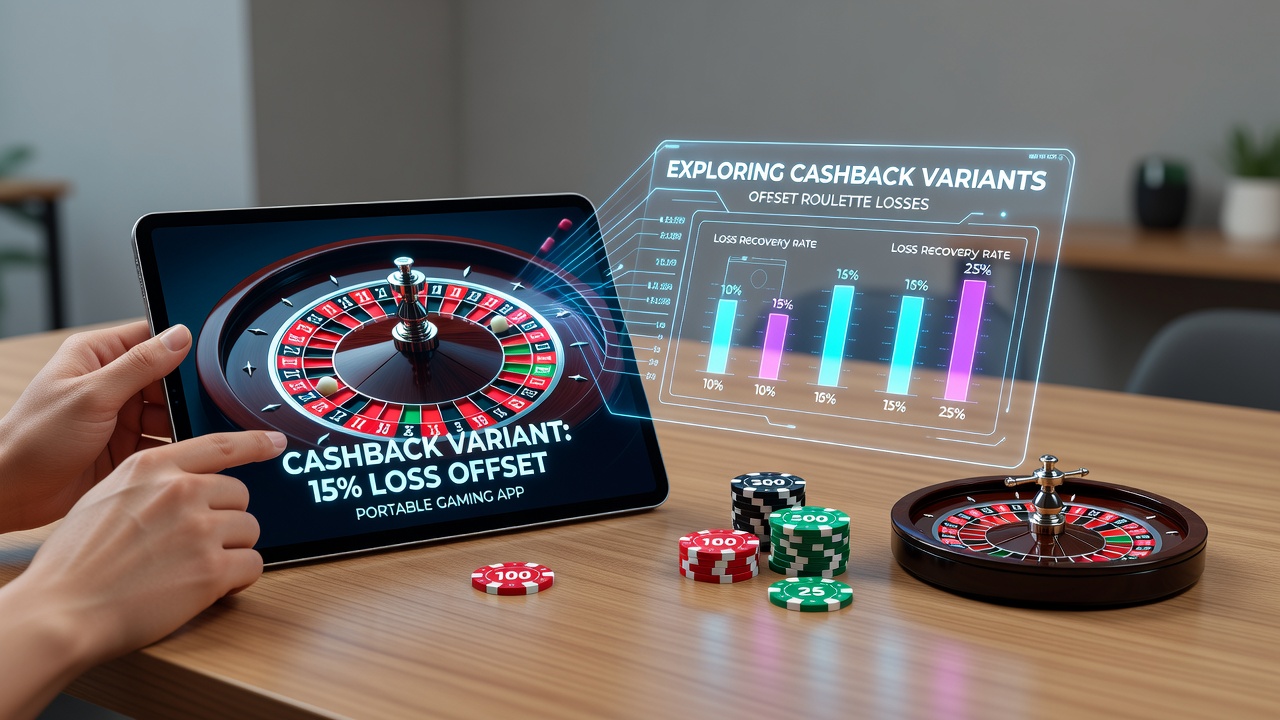
Cashback programs in portable gaming applications have expanded in recent years to address net losses at roulette tables, with operators structuring returns as percentage-based reimbursements calculated on total wagers or deficits accumulated during sessions. These mechanisms operate within mobile platforms where players access European, American, and French wheel variants through dedicated apps, and data from industry reports indicate steady adoption across regions including North America and parts of Asia as of August 2026.
Percentage cashback represents one common variant, where a fixed rate such as five to fifteen percent applies to verified losses over a defined period, typically seven to thirty days, and credits return directly to player accounts as playable funds or withdrawable balances subject to wagering thresholds. Operators integrate these calculations through backend systems that track individual roulette spins, bet amounts, and outcomes in real time, ensuring automated processing without manual intervention.
Progressive and Tiered Cashback Structures
Progressive cashback scales upward based on cumulative activity, so that higher loss volumes unlock elevated reimbursement rates, and this structure appears frequently in applications targeting frequent mobile users who engage multiple times per week. Tiered models divide players into brackets according to monthly wager totals, with lower tiers receiving baseline returns while elevated brackets access enhanced percentages plus additional multipliers on roulette-specific losses, according to figures from gaming analytics providers.
These tiers often reset monthly or quarterly, and applications notify users via in-app alerts when they approach the next bracket threshold. Research from academic sources on player retention shows that such scaling encourages continued participation while distributing cashback more selectively across the user base.
Game-Specific Cashback for Roulette Tables
Some portable applications limit cashback eligibility to roulette games alone, excluding slots or table variants like blackjack, and this focus allows operators to tailor reimbursement formulas to the house edge differences between wheel types. For instance, cashback on French roulette losses may incorporate la partage rules into loss calculations, whereas American double-zero wheels trigger separate rate tables to reflect the higher statistical disadvantage.
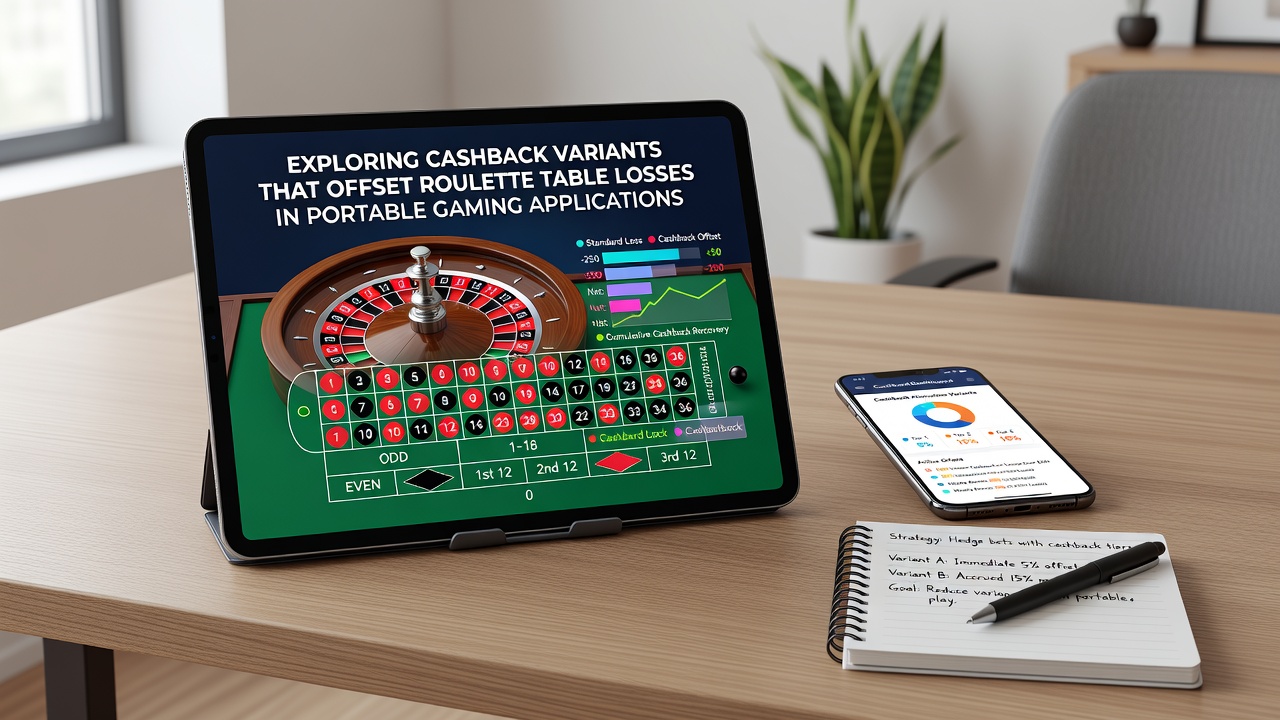
Applications developed for iOS and Android maintain separate tracking modules for these distinctions, and users can review detailed loss ledgers within account dashboards. Data indicates that roulette-exclusive cashback variants have grown in popularity among players who prefer skill-influenced bet selections such as outside wagers over random number generators.
Time-Limited and Event-Driven Cashback Offers
Time-limited cashback activates during promotional windows, such as weekend tournaments or seasonal campaigns, where losses incurred within a forty-eight hour window qualify for accelerated returns. These offers often cap total reimbursement amounts yet provide higher base percentages to offset concentrated play periods, and portable apps push notifications to alert users when events begin.
Event-driven structures tie cashback to specific roulette variants or live dealer streams, and operators coordinate with software providers to ensure seamless integration across devices. Reports from international gaming associations highlight that such time-bound programs maintain engagement metrics without requiring permanent alterations to core cashback frameworks.
Integration with Loyalty Systems and Mobile Wallets
Many applications combine cashback with loyalty point systems, converting roulette losses into points that accumulate toward bonus tiers or direct cash equivalents, and this layering creates multiple recovery pathways for players. Mobile wallet integration allows instant crediting of cashback amounts, reducing friction between loss realization and fund availability for subsequent sessions.
According to a study published by the University of Nevada Reno's gaming research center, combined systems correlate with extended session lengths in mobile environments while maintaining regulatory compliance across jurisdictions. Operators must adhere to payout verification protocols established by bodies such as the Malta Gaming Authority to prevent discrepancies in reported loss figures.
Users access these features through secure login flows that authenticate both device and account details before processing cashback claims. This setup supports cross-platform continuity, enabling players to switch between phones and tablets without resetting loss tracking data.
Regulatory Considerations and Transparency Measures
Regulatory frameworks in various markets require clear disclosure of cashback terms, including eligible game lists, calculation methods, and minimum loss thresholds, and portable applications embed these details in accessible help sections or pop-up summaries. Transparency measures include real-time loss trackers that display qualifying amounts before cashback periods conclude.
Industry organizations such as the European Gaming and Betting Association have compiled guidelines on fair representation of such offers, and applications that follow these standards report fewer disputes over reimbursement accuracy. Observers note that compliance efforts have intensified in 2026 as mobile adoption rates continue rising in regulated territories.
Conclusion
Cashback variants in portable roulette applications continue to evolve through percentage, progressive, game-specific, and time-limited formats that address player losses via automated tracking and structured returns. These programs integrate with loyalty features and mobile infrastructure while operating under established regulatory oversight from multiple international sources. Data from research institutions and trade groups shows ongoing refinement of these mechanisms to align with device capabilities and jurisdictional requirements as of August 2026.