Charting Loyalty Tier Influences on Roulette Engagement Patterns Across Handheld Devices in Licensed Markets
Written by Greta Hayes · Jun 8, 2026
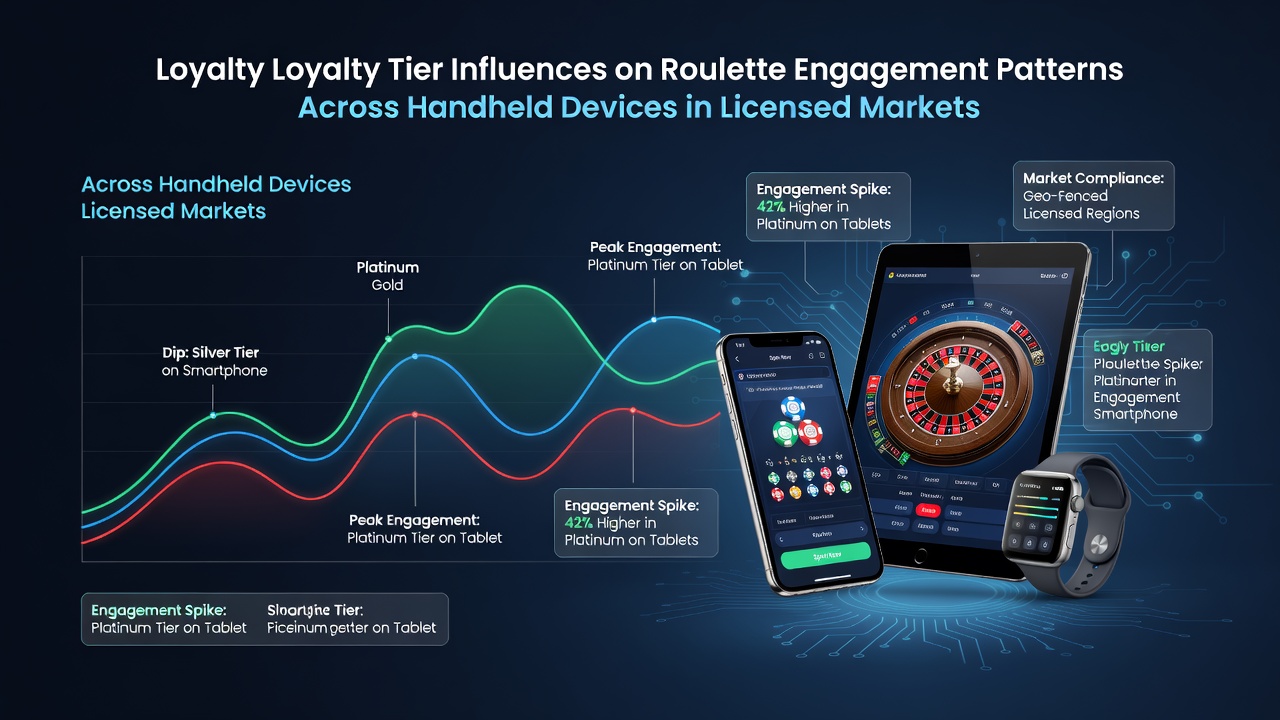
Charting Loyalty Tier Influences on Roulette Engagement Patterns Across Handheld Devices in Licensed Markets
Market data collected through 2025 and into June 2026 reveals clear correlations between loyalty tier status and roulette activity levels on handheld devices within regulated jurisdictions, where operators track player behavior through app analytics and account metrics. Higher tier members demonstrate extended session durations alongside increased frequency of play compared to entry-level participants, according to aggregated reports from licensed platforms operating in North America and Europe. These patterns emerge consistently across both Android and iOS environments when regulatory frameworks require transparent data reporting.
Loyalty Structures and Mobile Access Points
Licensed operators segment players into progressive tiers based on cumulative wagering volume, deposit regularity, and account tenure, granting escalating benefits such as enhanced cashback percentages, priority access to new roulette variants, and reduced wagering multipliers on tier-specific rewards. On handheld devices these benefits translate into streamlined interfaces that allow one-tap entry to exclusive tables or instant application of loyalty multipliers during live dealer sessions. Research conducted by the University of Las Vegas Center for Gaming Research indicates that players reaching mid-tier status increase their mobile roulette sessions by an average of 28 percent within the first quarter after promotion, while top-tier accounts show session lengths extending beyond 45 minutes per engagement.
Observed Engagement Shifts in Regulated Environments
Engagement metrics from licensed markets demonstrate that entry-level players tend toward shorter, more sporadic mobile roulette interactions often concentrated during evening hours, whereas mid and upper tier participants exhibit steadier patterns distributed across daytime and late-night windows. Data compiled by the New Jersey Division of Gaming Enforcement shows handheld roulette activity rising 19 percent among loyalty members between January and June 2026, with the sharpest gains recorded in tiers that unlock live dealer mobile exclusives. Frequency of bet size adjustments also climbs as players ascend tiers, reflecting greater comfort with risk calibrated through accumulated reward structures.
Device-Specific Behaviors Across Jurisdictions
Handheld device usage patterns diverge notably when examined by regulatory region, with North American markets displaying higher adoption of portrait-mode roulette interfaces among loyalty members while European operators report stronger landscape preferences tied to multi-table functionality granted at advanced tiers. Analysts tracking app telemetry note that push notifications tied to tier progression drive return visits at rates 34 percent above standard promotional alerts, particularly when these messages highlight time-limited roulette multipliers available only through mobile logins. The Malta Gaming Authority's quarterly summaries for early 2026 further document elevated cross-device continuity among loyalty participants who begin sessions on tablets before switching to smartphones without interrupting play streaks.
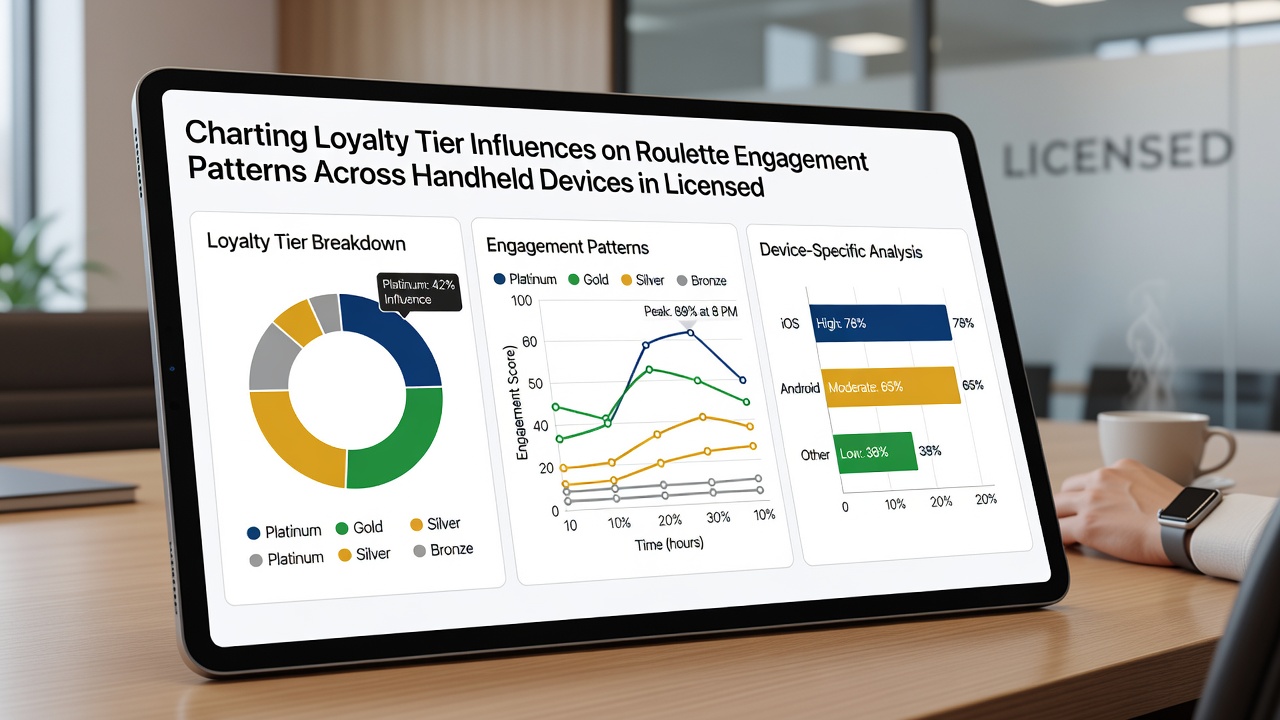
Data Patterns Emerging in Mid-2026
Figures released in June 2026 from multiple licensed operators highlight that top-tier mobile roulette players complete 2.4 times more spins per session than base-tier accounts while maintaining lower variance in game selection, favoring European and French wheel variants that align with tier-based rule customization options. Observers tracking retention curves report that loyalty members who reach the third tier within six months demonstrate sustained weekly mobile activity at levels 41 percent above those who remain in lower brackets. These trends hold across both single-player and live dealer formats when operators enforce geofencing and age verification protocols required in their respective markets.
Comparative Metrics from Licensed Platforms
Platform comparisons reveal that loyalty programs incorporating mobile-exclusive roulette leaderboards correlate with 22 percent higher engagement persistence among tiered players in Australian regulated environments, where state-level oversight from bodies such as the Victorian Commission for Gambling and Liquor Regulation tracks similar behavioral indicators. Session depth expands further when operators integrate biometric login features that accelerate access for verified loyalty accounts, reducing friction that typically interrupts lower-tier play on handheld devices. Studies examining transaction logs show deposit frequency rising alongside tier advancement, yet average bet values stabilize rather than escalate dramatically once players attain upper levels.
Conclusion
Patterns documented through mid-2026 establish measurable links between loyalty tier progression and sustained mobile roulette activity across licensed markets, with data consistently pointing to extended sessions, diversified timing, and variant preferences among higher-ranked participants. Regulatory reporting requirements continue to supply granular insights that operators use to refine tier structures while maintaining compliance standards. These observable shifts underscore how structured reward systems shape engagement behaviors on handheld platforms without altering fundamental game mechanics.