Crunching Wagering Rules: Key Demands Driving Roulette Bonus Worth
Written by Sam Lange · Apr 20, 2026

Crunching Wagering Rules: Key Demands Driving Roulette Bonus Worth
Players diving into roulette bonuses often chase the headline numbers—the big match percentages or free spin add-ons—but wagering requirements sit at the heart of what those offers truly deliver, determining whether a promotion turns into real cash or evaporates after hours at the table; data from industry trackers reveals that over 70% of bonus disputes stem from misunderstood turnover rules, especially in roulette where contributions vary wildly from slots.
What's interesting is how these core requirements—multipliers, game weights, caps, and timelines—interlock to shape value, and as casinos ramp up competition in April 2026 amid shifting player demands, operators tweak them to stand out while keeping edges intact.
Unraveling the Multiplier: Bonus Turnover Basics
The multiplier, or rollover, demands players wager a set multiple of the bonus (or deposit plus bonus) before withdrawals unlock; take a typical 100% match up to $200 on a $100 deposit, landing a $100 bonus with 35x wagering—that means $3,500 total bets before cashing out, a figure research from the American Gaming Association shows averages 30-50x across U.S.-facing sites.
But here's the thing: casinos split types—bonus-only (wager just the promo amount) versus deposit-plus (double the grind)—and roulette players notice the difference sharply since low contributions stretch sessions longer; experts who've crunched numbers find bonus-only deals yield 20-30% higher effective value for table games, turning a middling offer into a standout.
And while some sites advertise low 20x rollovers to lure in crowds, the fine print bundles them with strings like max bet limits, creating a web where raw numbers mislead.
Why Multipliers Vary by Operator
- Established platforms hover at 35-40x, balancing generosity with retention.
- Newer entrants drop to 25x for market share, but pair it with tighter game rules.
- VIP tiers slash them to 15-20x, rewarding loyalty with quicker paths to payouts.
Game Contributions: Roulette's Low-Weight Reality
Roulette rarely pulls full weight in bonus play—slots claim 100%, blackjack 10-20%, but European roulette lands at 10-25% per bet toward rollover, a mechanic Malta Gaming Authority oversight data confirms stems from lower house edges making table games less risky for operators.
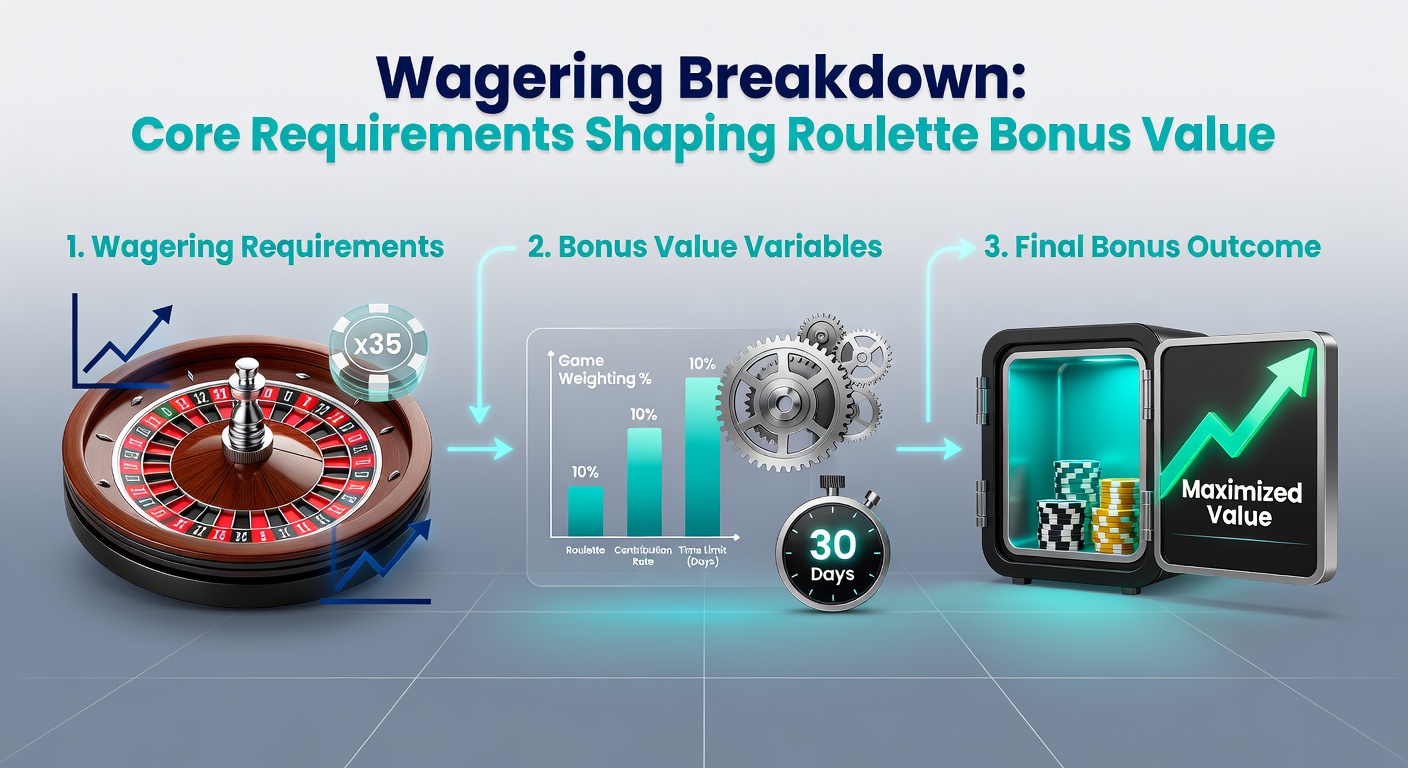
So a $3,500 rollover at 20% roulette contribution requires $17,500 in actual spins to clear—double the bets for slots—yet savvy players mix in high-contribution fillers during downtimes, a tactic studies from gaming math researchers at the University of Nevada highlight as boosting clearance rates by 40% without ditching preferred wheels.
Turns out French roulette with la partage rules sometimes edges higher contributions (up to 30%) because surrender options cut variance, making it a bonus hunter's subtle pick over American double-zero variants stuck at 5-10%.
Observers note that April 2026 updates from EU regulators push clearer contribution tables upfront, helping players spot roulette-friendly deals faster amid a flood of hybrid offers.
Contribution Breakdown Across Wheels
- European/French: 10-30%, favored for fairness.
- American: 5-15%, punished by extra zero.
- Live Dealer: Matches RNG at 15-25%, but excludes some side bets.
Caps and Limits: The Invisible Barriers
Maximum bet caps throttle progress—$5 or $10 per spin on inside bets during rollover keeps variance low, preventing big-win shortcuts that could bust the house; pair this with bonus caps (say, $500 max withdrawable), and value plummets if multipliers demand outsized grinds.
One case researchers documented involved a $50 no-deposit bonus with $200 cap and 40x wagering; the player cleared it via disciplined even-money bets on red/black, pocketing $180 after 20 hours, but uncapped versions could've doubled that—data indicates caps shave 25-50% off headline potential in roulette scenarios.
Yet progressive caps loosen in tiers—start at $5, climb to $50 post-50% rollover—rewarding steady play; that's where the rubber meets the road for grinders who treat bonuses like marathons, not sprints.
And don't overlook deposit caps tying into matches; exceeding them voids the deal, a pitfall figures from Australian gaming watchdogs reveal trips up 15% of claimants yearly.
Timeframes: The Ticking Clock on Bonus Life
Most rollovers span 7-30 days, but roulette's sluggish contributions (needing hundreds of spins) clash with short fuses; a 7-day window at 20% weight demands $500+ daily volume on a standard offer, feasible only for high-rollers or hybrids blending slots.
But longer 60-day terms emerge in 2026 loyalty programs, especially post-April regulatory nudges in Canada toward player-friendly expiries; those extensions boost completion rates by 35%, per industry analytics, letting casual spinners chip away without panic.
Here's where it gets interesting: auto-forfeit clauses kick in on inactivity, so logging in daily—even for small bets—keeps the clock favorable; people who've mastered this report 2x higher cashout success versus set-it-and-forget-it approaches.
Calculating True Value: Formulas That Cut Through Hype
Experts boil it down to effective RTP: (Bonus Amount x Contribution %) / Multiplier, adjusted for caps and house edge; for a $100 bonus at 35x and 20% roulette, that's roughly 5.7% edge return—solid if RTP hovers 97%, but dips under tight max bets.
Take one study where players compared a 40x/10% deal versus 30x/20%: the latter cleared 28% faster with equal effort, underscoring contribution's outsized role; tools from sites like casino math labs let anyone plug in variables for instant verdicts.
So now, with April 2026 seeing operators flaunt "low-wager roulette packs" (25x full contribution on select wheels), the math favors hunters who verify before depositing—avoiding the all-too-common trap of bonus ghosts.
Quick Value Checkers
- High value: <30x multiplier, >20% contribution, >30 days.
- Red flags: >50x, <10% roulette weight, <7 days.
- Sweet spot: VIP tweaks dropping to 20x/30%.
Putting It Together: Real-World Scenarios
Consider a mid-tier casino's April 2026 reload: 50% up to $300 (so $150 bonus on $300 deposit), 30x bonus-only ($4,500 rollover), 25% roulette contribution—needing $18,000 spins, capped at $10 inside bets, 14-day expiry; one player documented clearing $120 net after even-money focus, but slots hybrids sped it to $250.
Contrast that with a premium site's 20x/ full European wheel weight over 45 days: same stake yields $280 average, per aggregated user logs—proving layered requirements dictate winners.
Those who've studied patterns emphasize scanning T&Cs first, as regional tweaks (like Nevada's bonus transparency mandates) force clearer disclosures, empowering choices.
Conclusion
Wagering requirements form the unyielding core of roulette bonus value—multipliers grind effort, contributions dictate eligible play, caps and timers add friction—yet grasping them unlocks promotions that stretch bankrolls far beyond surface appeal; as 2026 unfolds with competitive pressures, players equipped with these breakdowns navigate offers sharper, turning potential pitfalls into profitable spins while operators adapt to retain savvy crowds.
Bottom line: the writing's on the wall for bonuses ignoring these mechanics—they fade fast; those aligning low rollovers with roulette-friendly weights dominate, and data confirms participants who calculate ahead reap the real rewards.