Data-Driven Dynamics: Roulette Bonuses Adjusting to Session Patterns and Betting Habits
Written by Klara Zimmermann · Jun 1, 2026
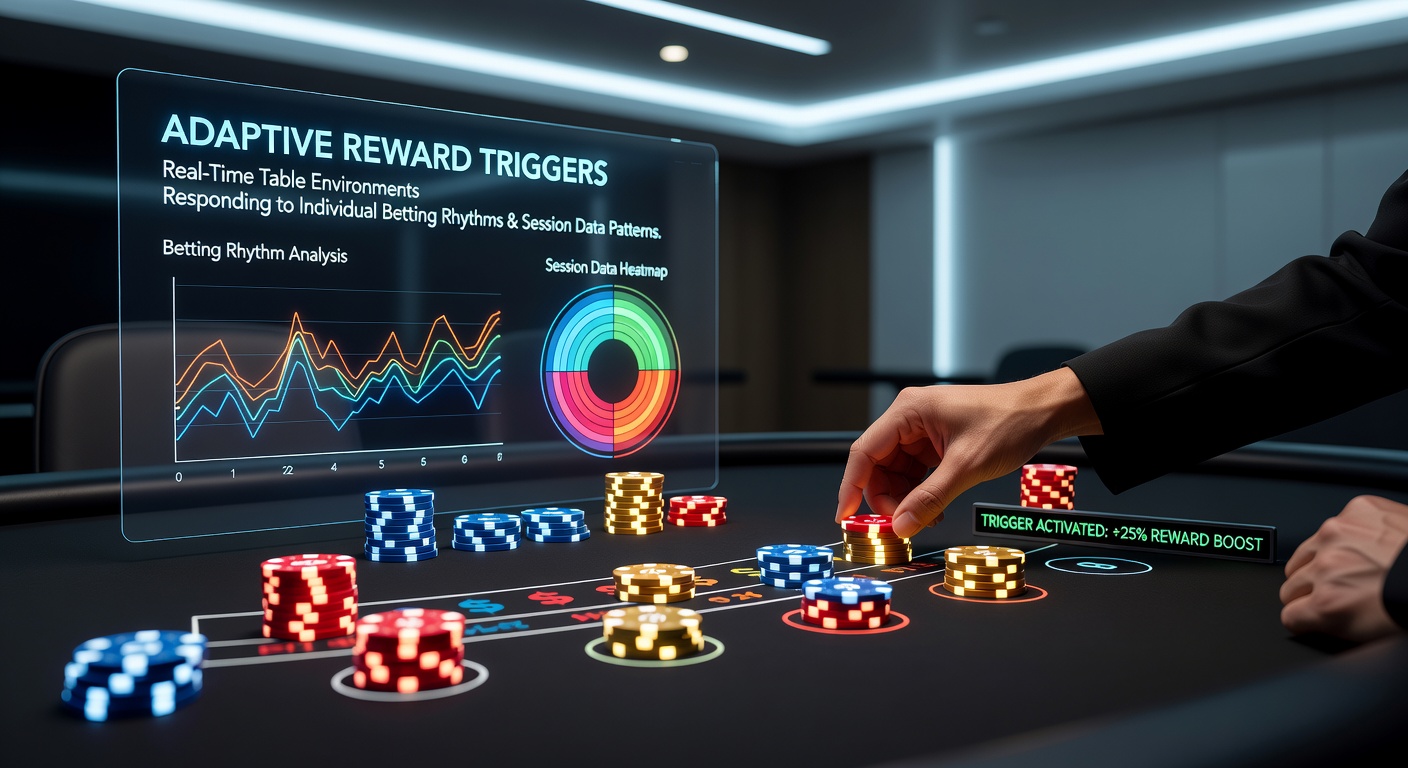
Data-Driven Dynamics: Roulette Bonuses Adjusting to Session Patterns and Betting Habits
Live roulette environments now incorporate systems that monitor individual betting rhythms and session data patterns to activate reward triggers in real time, and these mechanisms rely on continuous analysis of wager frequency, stake variations, and duration metrics to determine when adjustments occur.
Operators collect data points such as spin intervals, bet progression sequences, and total session volume through integrated table sensors and software platforms, while algorithms process these inputs to identify deviations from established player baselines that might signal opportunities for targeted interventions.
Core Mechanisms Behind Pattern Recognition
Table management software tracks elements including average bet size per spin, acceleration or deceleration in placement speed, and shifts between inside and outside wagers, then cross-references these against historical session logs to flag moments where reward activation could align with observed momentum.
Research from the University of Nevada Reno's gaming analytics division indicates that pattern-matching protocols can process up to 500 data points per minute during peak table activity, and this capacity allows systems to differentiate between steady low-variance play and sudden escalations in risk exposure.
Session length serves as another key variable, with triggers often calibrated to activate after specific thresholds such as 45 minutes of continuous engagement or 120 spins completed, although these parameters adjust dynamically based on concurrent betting intensity levels recorded at the same table.
Integration with Live Dealer Operations
Dealers and floor supervisors receive prompts through handheld devices when adaptive systems detect qualifying patterns, and this setup enables manual confirmation steps before rewards such as matched bets or extended play credits are issued directly at the table.
Technological upgrades rolled out across multiple European and North American properties in early 2026 refined latency issues in data transmission, while June 2026 marked the deployment of updated sensor arrays at several major venues that improved accuracy in capturing micro-variations in chip handling and wheel interaction timing.
Regional Regulatory Contexts and Data Standards
Compliance frameworks in jurisdictions such as Nevada require operators to maintain audit trails for all adaptive reward decisions, and records must demonstrate that triggers respond solely to verifiable session metrics rather than external factors. Nevada Gaming Control Board guidelines specify minimum data retention periods of 90 days for these logs to support review processes.
Australian regulatory bodies have examined similar technologies through reports compiled by the Australian Gambling Research Centre, where findings highlight the role of session pattern analysis in maintaining operational transparency across digital and physical table environments.

One documented implementation at a Canadian property illustrated how the system responded to a player whose betting rhythm shifted from consistent outside bets to alternating column wagers after 75 spins, resulting in an automated trigger that extended the session with a proportional credit allocation tied to the observed change in pace.
Technical Components and Algorithmic Adjustments
Backend databases store anonymized aggregates of betting sequences across thousands of sessions, enabling machine learning models to refine trigger thresholds over successive weeks, and these models incorporate variables such as table occupancy rates and time-of-day correlations that influence reward frequency.
Hardware elements include RFID-embedded chips and overhead cameras that feed positional data into central processors, while software layers apply weighted scoring to different pattern types, assigning higher sensitivity to rapid stake increases compared with gradual volume builds.
Observers note that calibration routines run nightly to recalibrate baselines using the previous day's aggregated metrics, which prevents drift in trigger sensitivity that could otherwise arise from evolving player demographics at particular tables.
Player Interaction and Transparency Measures
Information displays at participating tables present simplified summaries of active monitoring parameters without revealing proprietary algorithm details, and players receive notifications through casino apps when adaptive rewards activate based on their current session profile.
Industry reports from the American Gaming Association document that venues adopting these systems report measurable differences in average session duration when compared against static reward models, although exact figures vary by property size and regional player preferences.
Conclusion
Adaptive reward triggers in real-time table environments continue to evolve through refinements in data capture and processing capabilities, responding directly to measurable betting rhythms and session data patterns across diverse operational settings. These systems integrate regulatory compliance requirements with technical monitoring tools to deliver adjustments that align wth documented player activity at the tables.