Dissecting Multi-Tiered Reward Accumulation in Referral Systems Tailored to Specific Roulette Variants on Virtual Platforms
Written by Anna Jung · Jun 11, 2026
Dissecting Multi-Tiered Reward Accumulation in Referral Systems Tailored to Specific Roulette Variants on Virtual Platforms
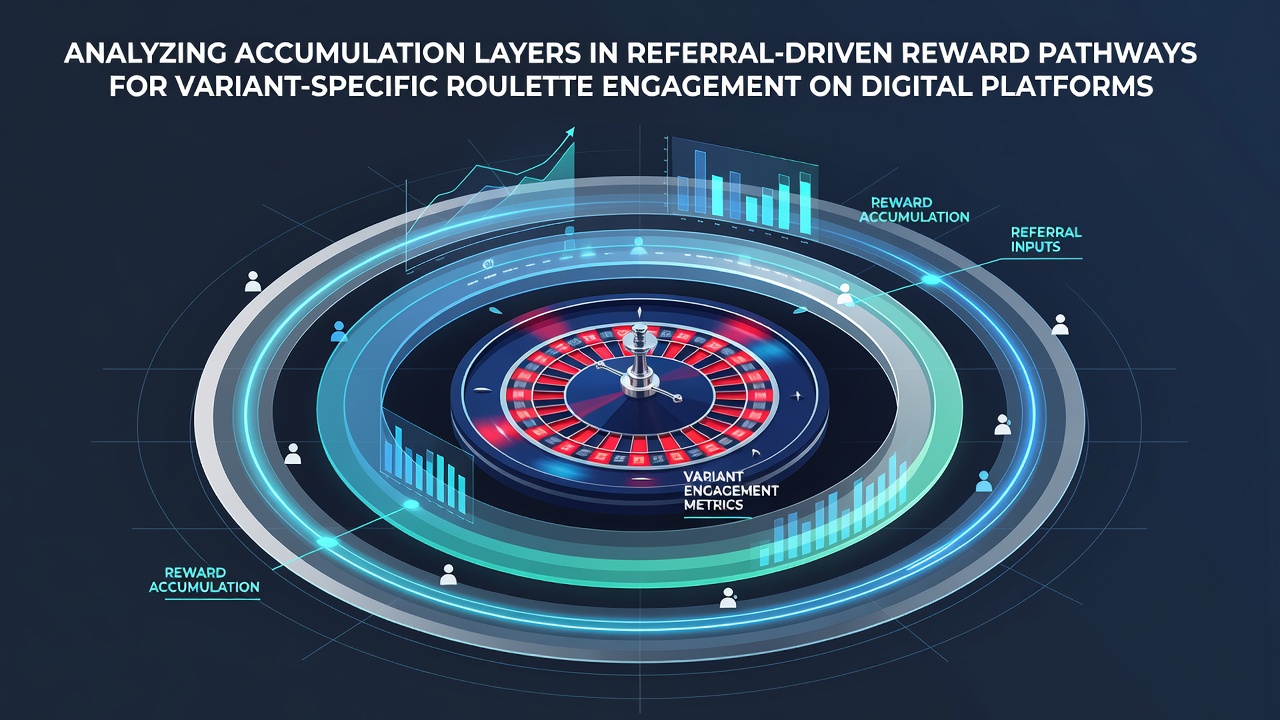
Referral programs on digital roulette platforms operate through structured pathways that accumulate rewards across multiple layers, with each layer triggered by specific engagement metrics tied to roulette variants such as European, American, or French wheel formats, and data from industry analyses indicate these systems track referred user activity in real time to build progressive bonuses.
Core Mechanics of Referral-Driven Pathways
Referral-driven reward pathways begin when an existing user shares a unique invite code that links new participants directly to the platform, after which the system records initial deposits and first spins on chosen roulette variants while subsequent layers activate based on continued play volume, game type selection, and session duration, according to reports compiled by the New Jersey Division of Gaming Enforcement. Observers note that these pathways incorporate accumulation points where basic referral credits combine with variant-specific multipliers, for example European roulette sessions might add 1.5 times the base layer value whereas American double-zero variants contribute at standard rates because of differing house edge calculations.
Digital platforms maintain separate tracking modules for each roulette variant to ensure rewards reflect actual engagement patterns, and this segmentation allows referred users to unlock higher accumulation tiers once they reach thresholds like fifty spins on live dealer wheels or one hundred on RNG versions, with June 2026 platform updates introducing enhanced logging that captures micro-variations in bet sizing across mobile and desktop interfaces.
Layered Accumulation Structures Explained
Accumulation layers function as stacked modules where the first layer grants immediate referral bonuses upon successful account verification, the second layer compounds those bonuses through repeated variant play, and deeper layers release additional multipliers or cashback once total referred activity exceeds predefined benchmarks, with researchers at academic institutions documenting how these layers prevent overlap by assigning unique identifiers to each roulette subtype. Those who've studied platform architectures find that French roulette variants often feed into accelerated accumulation because of La Partage rules that alter payout structures, thereby creating distinct data trails that platforms use to calibrate reward releases without manual intervention.

Variant-specific engagement metrics drive the depth of each layer, so platforms record not only spin counts but also average bet amounts and time spent per session on particular wheel configurations, and this granular data feeds algorithms that determine when a referred user graduates from one accumulation stage to the next. Evidence from operational reviews shows that mid-tier layers frequently incorporate time-bound conditions, such as completing variant challenges within seven days of the initial referral, while final layers unlock loyalty escalations that persist across multiple months of platform activity.
Integration with Digital Platform Ecosystems
Modern digital platforms integrate these referral pathways with broader user management systems that synchronize data across roulette lobbies, live tables, and bonus dashboards, allowing real-time visibility into how accumulation progresses for both referrer and referred parties, and figures released in industry roundups from the Australian Communications and Media Authority highlight rising adoption of such synchronized tracking in markets outside traditional European jurisdictions. Platforms deploy API connections that pull variant-specific statistics directly from game servers, ensuring accumulation calculations remain accurate even during high-traffic periods like tournament events or seasonal promotions scheduled around major sporting calendars in 2026.
Security protocols embedded within these ecosystems verify that referral activity originates from legitimate sources rather than automated scripts, and this verification step sits between the first and second accumulation layers to maintain integrity across all roulette variant engagements. Those monitoring platform performance report that June 2026 saw several operators refine their API latency to sub-second levels, which in turn accelerated reward layer releases for users focusing on high-volatility American roulette variants.
Conclusion
Referral-driven reward pathways on digital roulette platforms rely on precisely engineered accumulation layers that differentiate between game variants to deliver targeted incentives, and ongoing platform refinements continue to shape how these systems record, compound, and distribute benefits based on measurable user behavior. Data from regulatory and academic sources demonstrate consistent evolution in tracking methods that support transparent progression through each layer while preserving variant-specific distinctions essential to fair reward allocation.