Exploring Connections Between Free Spin Features and Roulette Game Preferences in Strategic Operator Decisions
Written by Sam Lange · Jul 2, 2026
Exploring Connections Between Free Spin Features and Roulette Game Preferences in Strategic Operator Decisions
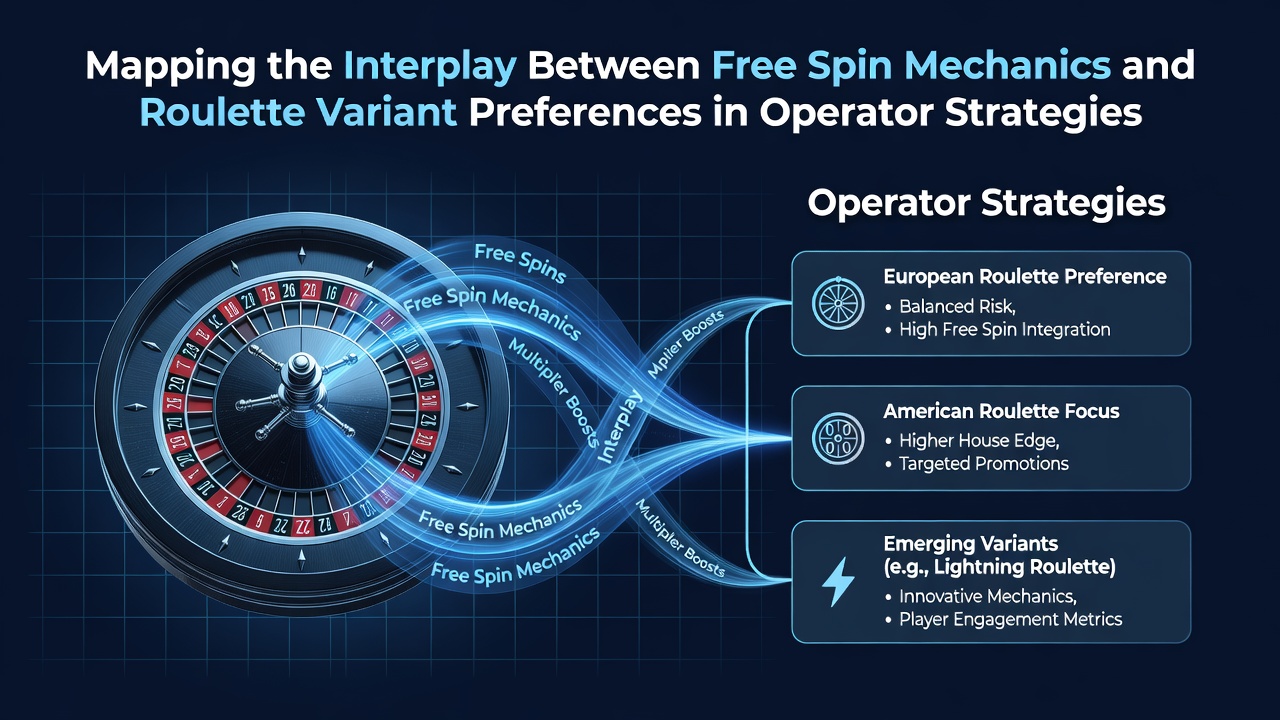
Operators in the online gaming sector have developed detailed approaches that connect free spin mechanics directly to player selections among roulette variants, and recent analyses from industry reports highlight measurable shifts in these patterns through mid-2026. Data from multiple jurisdictions shows that free spin structures, which often include multiplier triggers and reel configurations, influence how platforms promote European, American, and French roulette options to different user segments.
Free Spin Mechanics in Platform Design
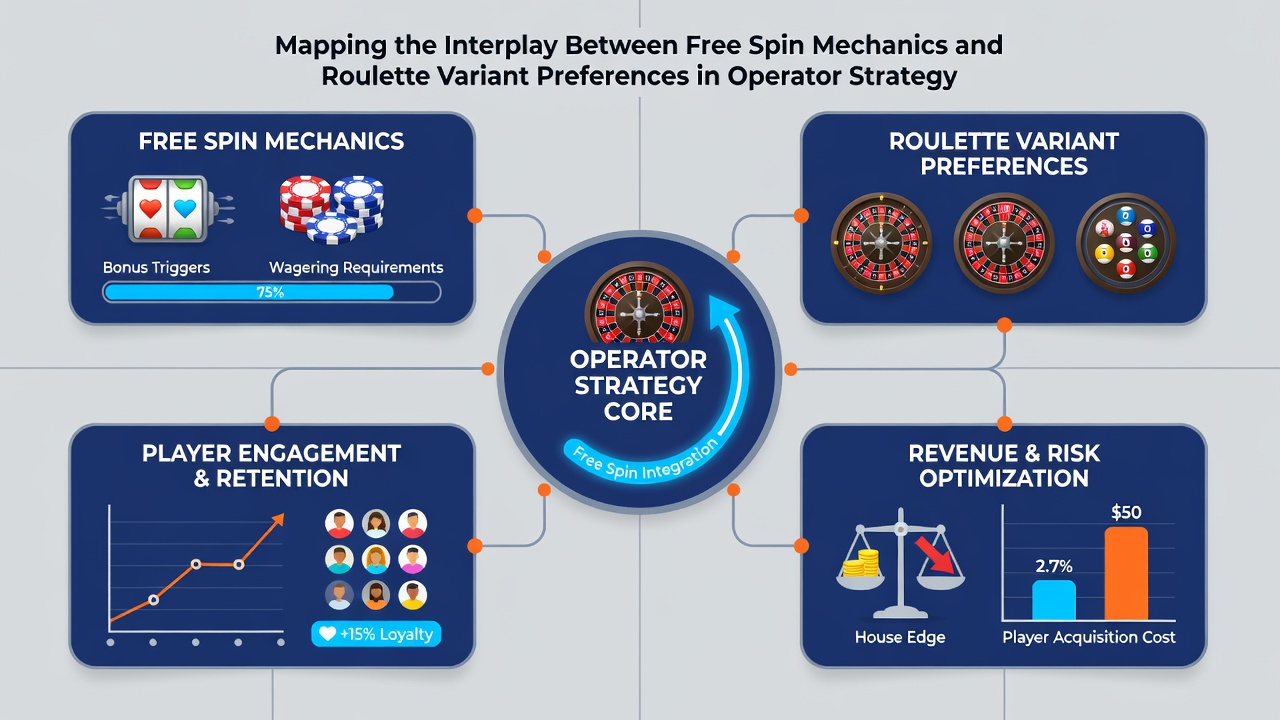
Free spin features operate through specific parameters such as spin counts, bet multipliers, and symbol payout rates, while researchers from the University of Nevada's gaming studies program documented correlations between these elements and roulette variant engagement levels across sampled platforms. Operators adjust free spin frequency and volatility settings based on observed player retention metrics, and this process allows them to align promotional tools with the house edge differences present in single-zero versus double-zero roulette formats. Studies indicate that lower-volatility free spins pair more frequently with French roulette offerings that incorporate la partage rules, whereas higher-volatility spins appear alongside American variants in targeted campaigns.
Roulette Variant Preferences and Player Data
Player behavior logs reveal distinct patterns where users exposed to extended free spin sequences demonstrate higher selection rates for European roulette tables, and this trend holds across datasets collected through 2026. The European variant maintains a 2.7 percent house edge that appeals to segments favoring extended play sessions, while American roulette with its 5.26 percent edge sees increased activity when paired with shorter free spin bursts that emphasize quick resolutions. Operators track these preferences through session duration analytics, and they refine variant prominence on homepages accordingly to match free spin reward structures with expected player risk tolerance levels.
Strategic Integration in Operator Planning
Platform teams coordinate free spin deployment with roulette variant positioning through A/B testing protocols that measure conversion rates from promotional play to paid roulette sessions. Figures from the Nevada Gaming Control Board reports illustrate how operators in regulated markets allocate marketing resources to emphasize specific variants based on free spin redemption data collected in the first half of 2026. This integration extends to mobile interfaces where free spin notifications direct users toward variant-specific lobbies, and the approach supports sustained engagement by matching mechanical reward profiles with game mathematics.
Additional layers involve regional regulatory frameworks that shape how these mechanics combine, and observers note variations in implementation between North American and European operators. Australian research institutions have examined similar linkages in their local markets, revealing that free spin mechanics with progressive jackpot elements tend to boost French roulette participation when operators present them in bundled offers. These findings inform broader strategy adjustments that account for seasonal player influxes and variant-specific payout structures.
Implementation Examples Across Markets
One documented case involves operators adjusting free spin reel counts to complement roulette wheel bias perceptions, and this tactic appears in campaigns that ran through July 2026. Platforms present American roulette alongside free spins featuring stacked wild symbols to offset the variant's higher house edge in user communications, whereas European options receive pairings with standard free spin sets that highlight lower-edge advantages. Data indicates these pairings produce distinct session volume increases depending on the demographic profile of the target audience.
Cross-promotional sequencing further refines the interplay, as operators sequence free spin awards to precede roulette variant trials in onboarding flows. This method allows platforms to gather preference data early and subsequently surface favored variants in subsequent promotions, and industry associations tracking these practices report consistent application across multiple jurisdictions without reliance on single regulatory models.
Conclusion
The documented connections between free spin mechanics and roulette variant preferences continue to guide operator resource allocation, with evidence from academic and regulatory sources supporting ongoing refinements in promotional alignment. These strategies rely on empirical session data rather than assumptions, and they reflect adaptations to player patterns observed through structured analytics programs.