Habit Loops Driving Dynamic Reward Adjustments in Roulette Environments
Written by Sam Lange · May 28, 2026
Habit Loops Driving Dynamic Reward Adjustments in Roulette Environments
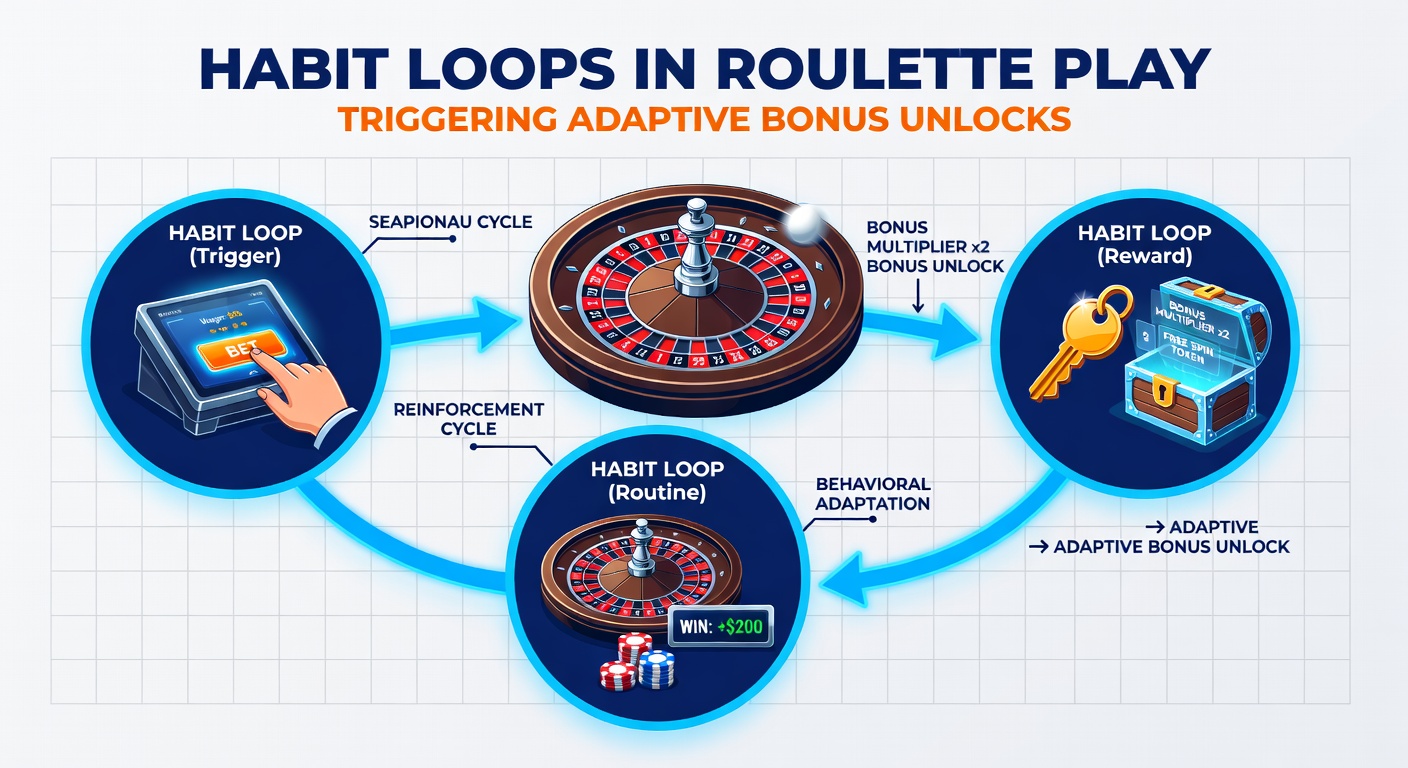
Habit formation in gambling activities follows established psychological models that break down into cue, routine, and reward sequences, and these sequences appear in roulette sessions across multiple platforms. Players encounter cues such as login notifications or session timers that prompt repeated wheel spins, after which routines develop around consistent betting patterns while rewards manifest through both game outcomes and layered incentive structures. Data from behavioral tracking systems indicates that repeated exposure to these loops allows operators to refine bonus parameters in real time based on individual engagement metrics.
Operators collect session data including spin frequency, bet sizing consistency, and time intervals between plays, then apply algorithms that detect emerging loops and adjust available incentives accordingly. Research published in the Journal of Gambling Studies shows that such adaptations often occur when players reach predetermined thresholds in consecutive sessions, triggering modifications like increased match percentages or extended validity periods for promotional credits. These adjustments operate within regulatory frameworks established by bodies such as the Nevada Gaming Control Board, which requires transparent disclosure of how play data influences reward availability.
Core Components of Habit Loops in Digital Roulette
Cues typically originate from platform features including push alerts about table availability or visual prompts highlighting recent activity streaks, while routines solidify through repeated selection of specific bet types such as outside wagers or progressive systems. Rewards extend beyond standard payouts when adaptive mechanisms recognize sustained patterns and introduce personalized elements such as tiered cashback rates tied to loop persistence. Observers note that platforms operating in multiple jurisdictions coordinate these features with local compliance standards, ensuring that bonus modifications align with player protection guidelines enforced by authorities like the Australian Communications and Media Authority.
Studies from the University of Nevada, Las Vegas Gaming Research Center demonstrate that players who maintain consistent daily engagement windows exhibit measurable increases in session duration once initial bonuses adapt to their established routines. The process relies on machine learning models that analyze historical data sets spanning thousands of accounts, identifying correlations between loop stability and subsequent reward calibration. Platforms update these models periodically, with significant revisions reported in industry reports covering activity through May 2026.
Technical Implementation of Adaptive Unlocks
Backend systems monitor variables such as average spins per session and variance in wager amounts, then apply rule sets that unlock modified bonus terms when predefined habit indicators appear. For instance, a player completing a minimum number of spins within a fixed timeframe may receive an automatically adjusted deposit match that scales with continued adherence to the detected pattern. Documentation from the European Gaming Association outlines how these systems incorporate audit trails to verify that adaptations remain within approved operational parameters across different markets.
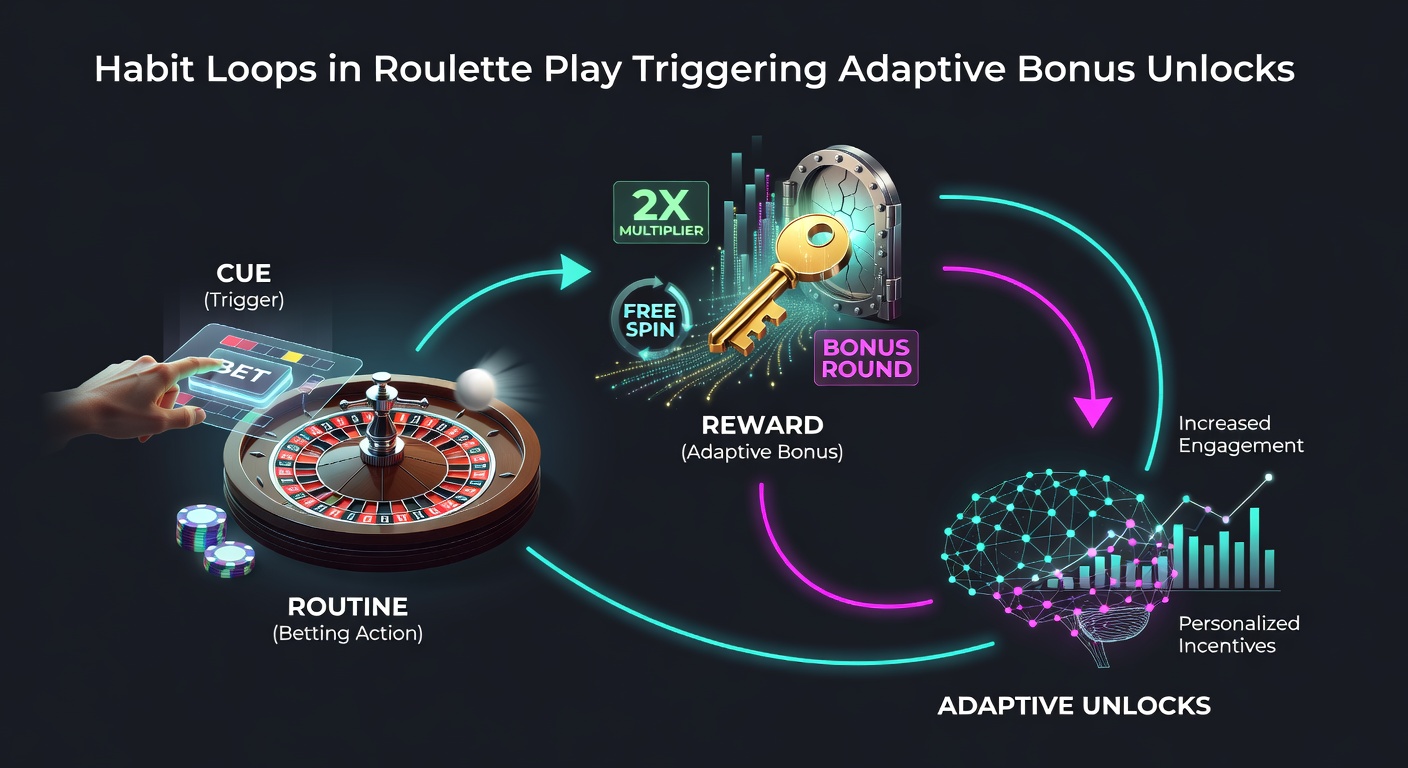
Integration with payment processors allows seamless application of adapted rewards, such as instant credit additions following loop confirmation. Canadian regulatory reviews conducted by the Alcohol and Gaming Commission of Ontario highlight requirements for clear communication regarding data usage in bonus personalization, ensuring players receive notifications when their activity triggers modifications. Technical specifications often include fallback mechanisms that revert adaptations if engagement patterns shift outside expected ranges.
Regional Variations in System Deployment
European operators frequently emphasize loop-based adaptations within loyalty frameworks that reward sustained participation across multiple game types, whereas North American platforms tend to focus on session-specific triggers tied to roulette tables alone. Reports compiled by the International Centre for Gaming Regulation indicate that cross-border operators standardize core detection algorithms while customizing reward outputs to satisfy varying jurisdictional mandates. Data compiled through May 2026 shows continued expansion of these features in regulated markets, with particular growth in mobile-accessible implementations.
Security protocols encrypt habit-tracking data streams to prevent unauthorized access, and regular third-party audits verify that adaptive logic does not introduce unfair advantages or disadvantages. Industry conferences have featured presentations detailing case examples where loop detection led to bonus structures that aligned more closely with observed player behavior patterns without altering underlying game mathematics.
Conclusion
Habit loops in roulette environments provide structured pathways through which operators implement responsive bonus mechanisms based on verifiable engagement data. Regulatory oversight from multiple international bodies ensures these systems operate within established transparency and fairness requirements, while technical frameworks continue to evolve in response to advancing analytics capabilities. Continued documentation of these processes supports ongoing compliance and operational refinement across global platforms.