Incentive Designs Shaped by American and European Roulette Wheel Configurations
Written by Anna Jung · Jul 11, 2026
Incentive Designs Shaped by American and European Roulette Wheel Configurations
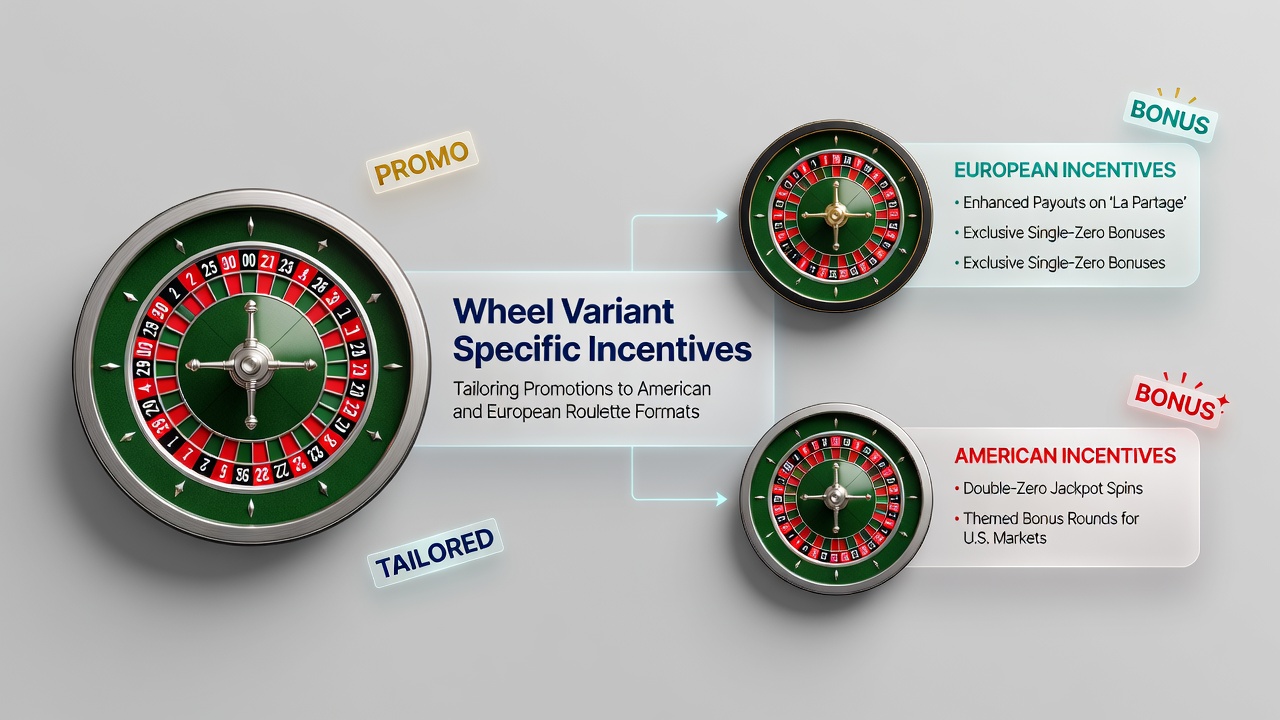
American roulette wheels contain thirty-eight pockets while European versions feature thirty-seven, and this structural distinction shapes how operators construct targeted incentives throughout 2026. Casinos adjust bonus percentages, wagering multipliers, and eligibility rules to align with the distinct house edges that emerge from those extra pockets.
Structural Differences Driving Promotional Variations
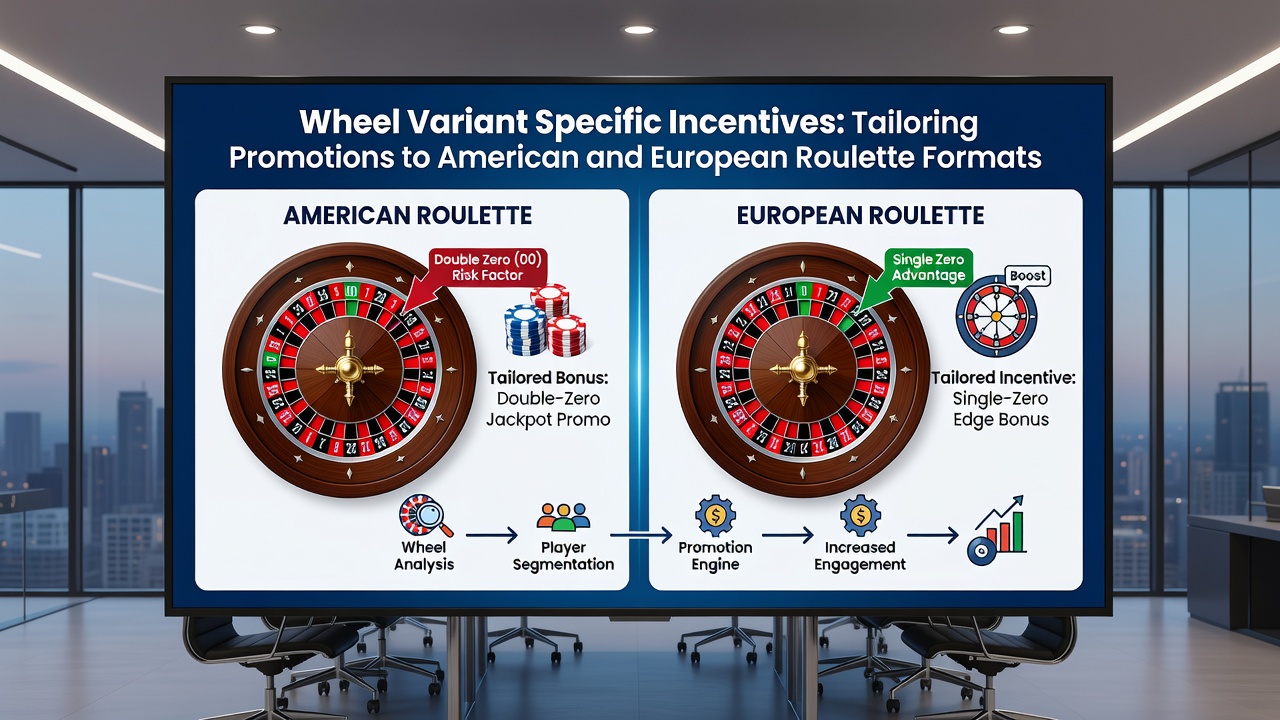
The double-zero layout on American wheels produces a house edge of 5.26 percent, whereas the single-zero European format yields 2.70 percent. Operators respond to these percentages by scaling deposit-match percentages higher on American tables to offset the steeper statistical disadvantage players encounter. European promotions often incorporate lower wagering requirements because the base odds already favor longer play sessions.
Data collected by the Nevada Gaming Control Board shows American roulette volumes rose 11 percent year-over-year through June 2026, prompting several operators to introduce wheel-specific reload bonuses capped at $150 with 25x playthrough conditions. European markets tracked by the European Gaming and Betting Association report steadier participation rates that allow casinos to extend bonus validity periods without increasing risk exposure.
Promotional Mechanics Tailored to Wheel Type
Operators segment welcome packages according to wheel variant from the outset. American roulette players frequently receive an initial 150 percent match up to $300 that converts into bonus funds usable exclusively on double-zero tables. European roulette incentives commonly appear as 100 percent matches paired with cashback tiers that activate after 50 spins on single-zero wheels.
Time-limited boosts follow similar patterns. July 2026 campaigns feature flash offers where American roulette participants earn an extra 20 percent on deposits made between 8 p.m. and midnight Eastern Time, while European sessions receive extended play windows that stretch across entire weekends. These staggered schedules reflect differing player traffic peaks recorded across regulated markets.
Bonus Code Allocation and Eligibility Filters
Exclusive codes differentiate access between formats. American roulette codes typically unlock higher maximum cash-out limits to compensate for quicker bankroll depletion, whereas European codes emphasize extended expiration dates that accommodate slower, more methodical betting patterns. Casinos embed variant-specific terms directly into the code redemption interface so players cannot mistakenly apply an American bonus to a European wheel.
Regional Regulatory Influences on Variant Incentives
State-level rules in the United States and licensing frameworks across multiple European jurisdictions further refine how incentives reach players. American operators in New Jersey and Pennsylvania must disclose wheel-type restrictions in every promotional communication, while several European regulators require clear labeling of single-zero versus double-zero games within bonus terms. These disclosure mandates encourage operators to develop separate marketing streams rather than generic campaigns.
Industry reports indicate that segmented promotions improve retention metrics. Players who receive wheel-appropriate incentives demonstrate longer average session durations compared with those given generic offers, according to aggregated data shared at the 2026 Gaming Analytics Summit. The pattern holds across both American and European formats even though the specific bonus structures differ.
Future Adjustments Expected Through Late 2026
Operators continue monitoring participation statistics to refine incentive parameters. Adjustments scheduled for the fourth quarter of 2026 include dynamic bonus scaling that responds to real-time wheel selection data, allowing systems to increase match percentages automatically when American roulette traffic exceeds European volumes. European platforms explore loyalty multipliers tied to single-zero play frequency, rewarding consistent sessions with tiered cashback percentages that rise after every 200 spins.
These developments build on existing frameworks without altering core regulatory requirements. Platforms maintain separate ledgers for American and European roulette bonuses to ensure accurate tracking of wagering progress and timely fulfillment of payout conditions.
Conclusion
Wheel-variant incentives represent a practical response to measurable differences in game mathematics and player behavior across American and European roulette formats. By aligning bonus structures with pocket counts and house-edge realities, operators deliver promotions that match the actual risk profiles players encounter on each wheel type. Continued data collection through the remainder of 2026 will determine how these tailored approaches evolve within existing regulatory boundaries.