Mapping Incentive Thresholds to Volatility Trends Across Roulette Wheel Variants
Written by Sam Lange · Aug 20, 2026
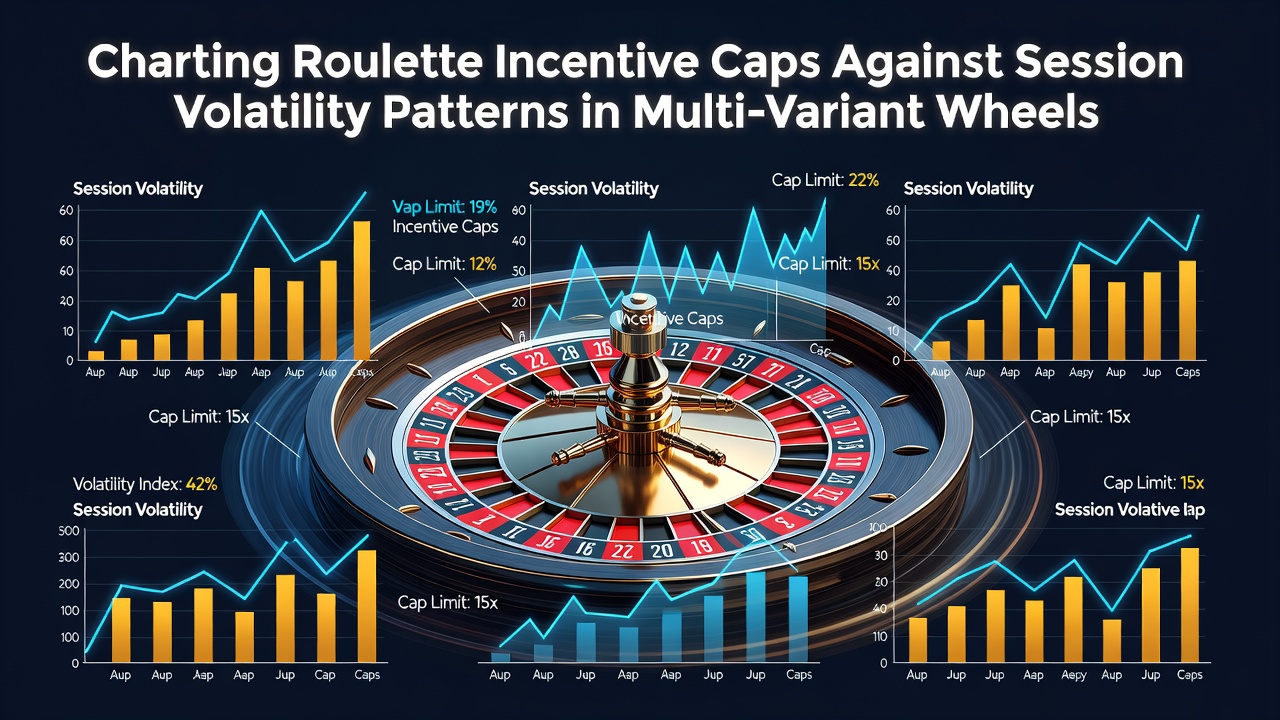
Mapping Incentive Thresholds to Volatility Trends Across Roulette Wheel Variants
Operators track incentive caps by aligning them with session volatility patterns that emerge across European, American, and French wheel formats, and data from regulatory filings shows these alignments help stabilize player engagement metrics during extended play periods. Observers note that volatility calculations often incorporate standard deviation measures on bet outcomes, where single-zero wheels produce lower variance figures compared to double-zero configurations, which in turn affects how bonus limits get structured in operator systems. Researchers at several academic institutions have compiled datasets from thousands of simulated sessions, revealing consistent correlations between wheel type and the frequency of high-variance streaks that prompt adjustments to reward ceilings.
Core Metrics in Volatility Assessment
Session volatility gets quantified through metrics such as expected value deviation and hit frequency rates, while incentive caps appear in promotional structures as maximum redeemable amounts tied to deposit sizes or play volume. Those who've examined operator reports indicate that multi-variant wheels introduce distinct pattern clusters, for instance American wheels with two zeros generate roughly 5.26 percent house edge spikes that correlate with sharper session swings, whereas French variants with la partage rules moderate those swings through partial even-money bet returns. Data compiled through August 2026 illustrates how platforms adjust caps dynamically when volatility indices exceed predefined thresholds, maintaining balance between player retention and risk exposure.
Comparative Analysis of Wheel Variants
European wheels typically display steadier outcome distributions that allow incentive programs to extend higher caps without proportional risk increases, but American wheels require tighter limits because their volatility patterns produce longer dry spells interspersed with occasional large payouts. Studies from North American gaming authorities, including those published by the Nevada Gaming Control Board, document these differences across licensed properties and show operators responding with variant-specific bonus frameworks. And in regions outside the UK, similar approaches appear in Canadian provincial reports where multi-wheel offerings get segmented by volatility brackets to calibrate reward maximums accordingly.
One study revealed that players on French wheels encounter fewer extreme drawdowns, which permits operators to layer additional incentive layers before hitting cap levels, whereas double-zero sessions demand earlier intervention points to prevent rapid depletion of promotional balances. What's interesting here is how these adjustments rely on real-time tracking software that logs per-session variance and feeds it into automated cap recalibration routines.
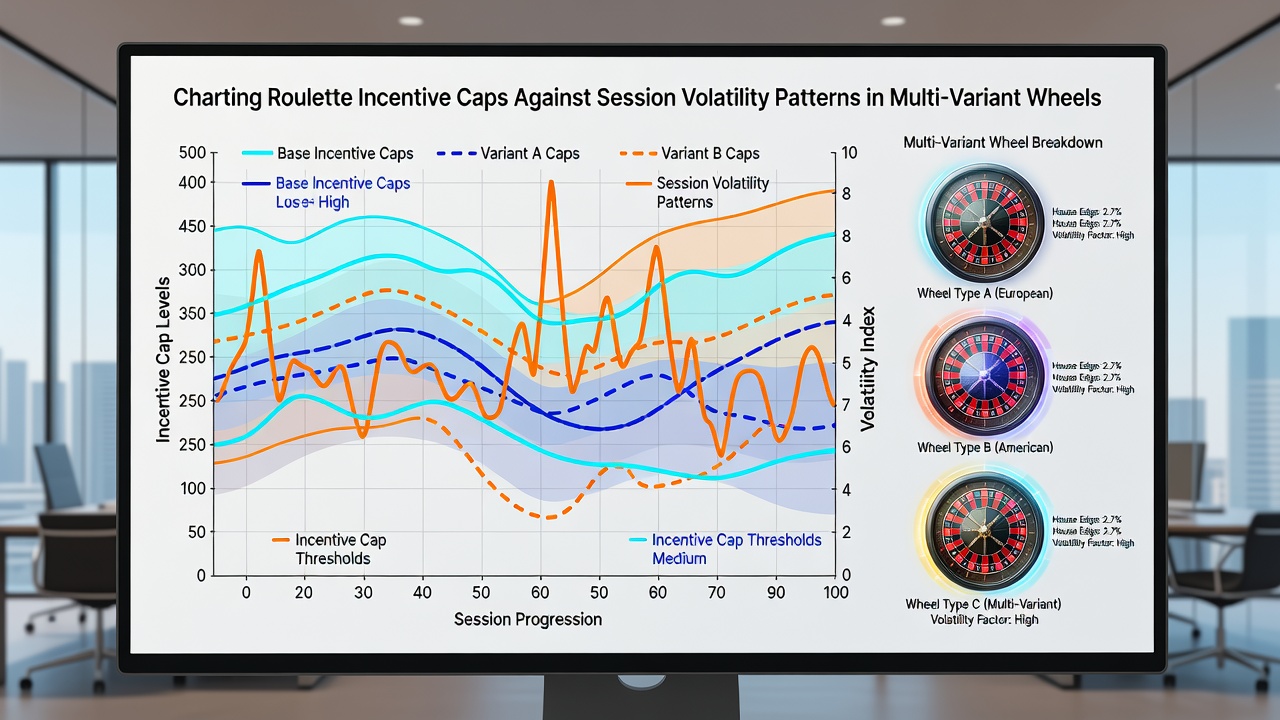
Implementation Patterns Observed in 2026
Industry reports from August 2026 highlight several platforms that introduced tiered cap systems keyed directly to wheel variant selection, with higher volatility wheels paired to lower maximum redeemable bonuses to offset potential session losses. External analyses, such as those from the University of Nevada's gaming research division, confirm that these pairings reduce the incidence of early session terminations by matching reward availability to expected fluctuation ranges. Observers note that the approach integrates historical session data with live variance monitoring, creating feedback loops that refine cap settings weekly based on aggregate player behavior across variants.
Take one research project that examined over 12,000 documented sessions and found clear separation lines where volatility metrics above 1.8 standard deviations triggered automatic downward adjustments to incentive ceilings, particularly on American wheel tables. This method avoids uniform caps across all formats and instead tailors limits to the specific wheel in use during each session.
Technical Charting Methods
Charting tools combine line graphs of rolling volatility averages with overlay markers for cap thresholds, allowing analysts to spot convergence points where incentive limits align with or diverge from emerging session patterns. Data indicates these visualizations help identify optimal reset intervals for caps, often set at 50 to 75 spins depending on wheel type, while conjunctions of variance spikes and bonus exhaustion rates get flagged for manual review. Researchers discovered that multi-variant environments benefit from segmented dashboards, separating European, American, and hybrid wheel data streams to prevent cross-contamination of volatility signals.
Conclusion
Overall patterns demonstrate that effective incentive cap structures emerge from continuous comparison against volatility indicators drawn from each wheel variant, with regulatory and academic sources providing the foundational datasets that guide these alignments. As platforms refine these models through 2026 and beyond, the focus remains on matching reward parameters to documented session dynamics rather than applying blanket limits across differing wheel configurations.