Mapping Payment Routes to Layered Roulette Incentives Across App Platforms
Written by Anna Jung · Aug 15, 2026
Mapping Payment Routes to Layered Roulette Incentives Across App Platforms
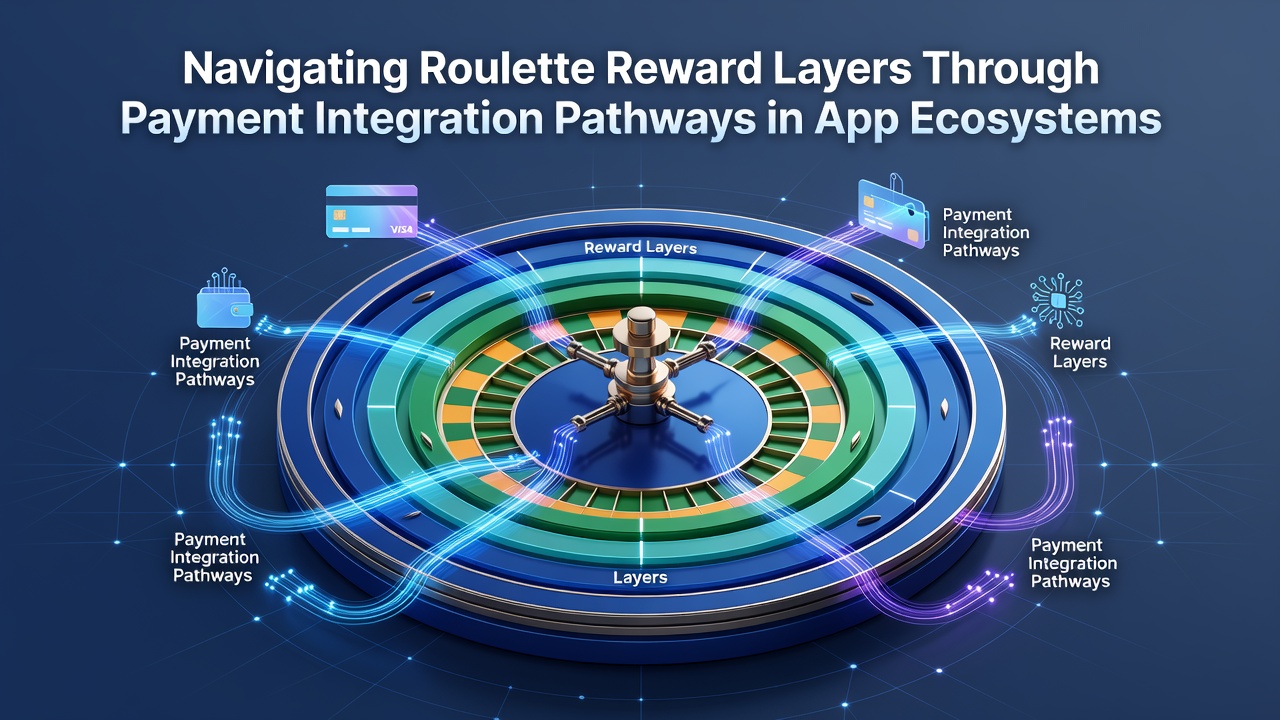
Payment systems form the backbone of reward delivery in digital roulette environments, where app ecosystems rely on seamless integrations to unlock successive layers of incentives. Developers connect banking APIs and digital wallets directly to game servers, allowing deposits to trigger eligibility for base rewards that scale with transaction volume and frequency. In August 2026, platform operators reported increased adoption of tokenized payment methods that reduce processing latency while maintaining compliance with regional financial regulations.
Core Components of Reward Layer Architecture
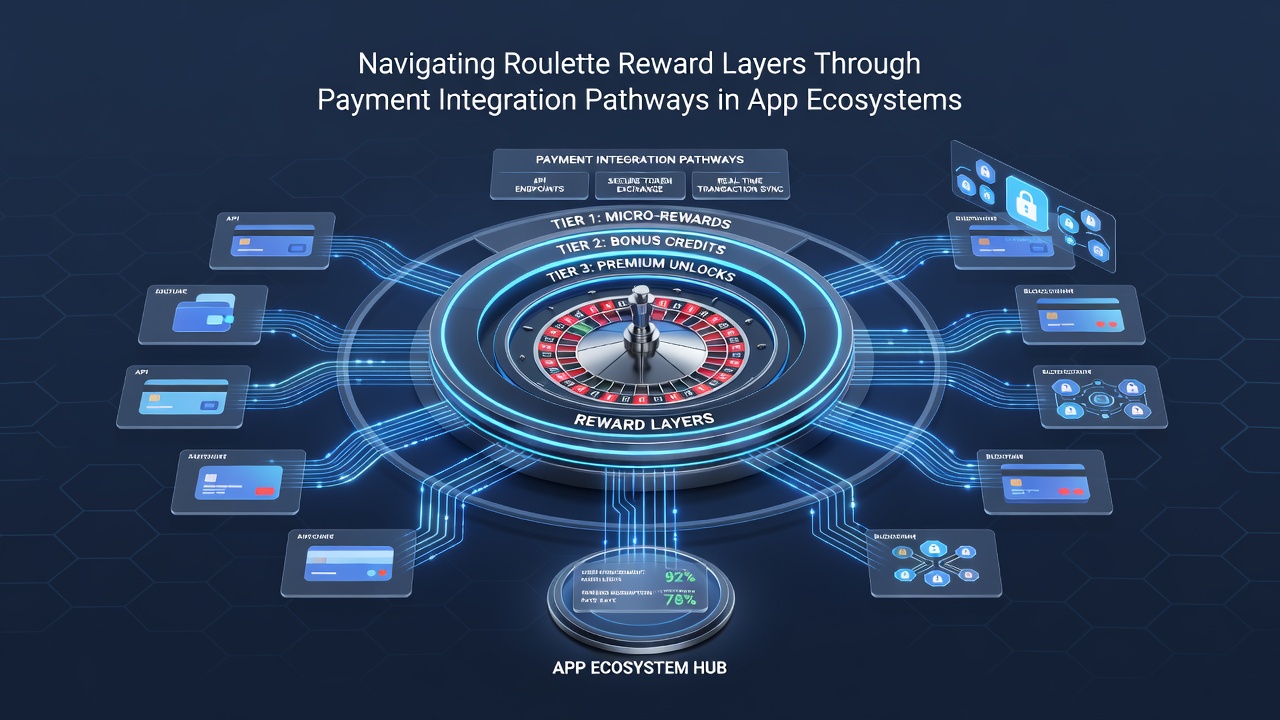
Multi-tiered reward structures operate through conditional logic embedded in payment gateways, where initial deposits activate entry-level bonuses and subsequent transactions unlock progressive multipliers. Observers note that these layers often include cashback thresholds, free spin allocations, and loyalty point accruals that accumulate based on payment method type. Data from industry reports shows that apps utilizing unified payment processors achieve faster reward distribution compared to fragmented systems that require separate verification steps for each layer.
Integration pathways typically incorporate real-time balance synchronization between user accounts and game ledgers, ensuring that reward eligibility updates immediately after successful transaction confirmation. Researchers at academic institutions have documented how these connections minimize discrepancies between deposit records and bonus activations, particularly in environments handling high transaction volumes.
Technical Pathways and Security Protocols
Secure socket layers and encrypted API endpoints protect the flow of payment data while enabling automated reward calculations. Developers implement webhook notifications that alert game servers the moment a deposit clears, which then applies the appropriate reward layer without manual intervention. Studies conducted by technology research groups indicate that apps employing multi-factor authentication at the payment stage experience lower rates of reward claim disputes.
Regional variations influence pathway design, with North American operators often prioritizing integration with established card networks while European platforms incorporate more diverse wallet solutions. According to analyses from the Nevada Gaming Control Board, payment integration standards introduced in prior years have streamlined reward delivery across state-regulated platforms. Meanwhile, Australian regulatory frameworks emphasize consumer protection measures that require clear disclosure of reward conditions tied to specific payment channels.
Examples from Operational Ecosystems
One major platform implemented a tiered system where credit card deposits unlock an initial reward layer, while e-wallet transactions activate an additional multiplier after the second deposit within a calendar month. This structure relies on payment metadata to differentiate between methods and apply corresponding incentives automatically. Another case involved a cross-border app that synchronized with local banking partners to adjust reward availability based on currency conversion rates and regional fees.
Industry organizations tracking digital gaming trends have recorded instances where payment processor outages temporarily halted reward layer progression until service restoration. These events highlight the dependency between financial infrastructure stability and consistent incentive delivery.
Future Developments in Integration Standards
Emerging standards from international payment councils focus on interoperability between competing wallet providers and casino management systems. Such developments allow reward layers to function across multiple devices and operating systems without requiring users to reauthenticate payment details. Data indicates that platforms adopting these standards see higher retention rates as reward access becomes more reliable.
Academic papers examining behavioral responses to integrated reward systems note correlations between seamless payment flows and sustained engagement with roulette features. Regulatory bodies in various jurisdictions continue to refine guidelines that govern how payment data may influence bonus eligibility without compromising user privacy.
Conclusion
Payment integration pathways continue to determine how effectively roulette reward layers activate within app ecosystems, with technical and regulatory factors shaping their evolution. Observers track ongoing refinements in API connectivity and security protocols that support these structures across diverse markets. As platforms expand, the alignment between financial services and gaming operations remains central to maintaining functional reward delivery.