Regulatory Oversight and Its Effects on Continuing Roulette Incentives in Licensed Casinos
Written by Mara Simon · Jul 18, 2026
Regulatory Oversight and Its Effects on Continuing Roulette Incentives in Licensed Casinos
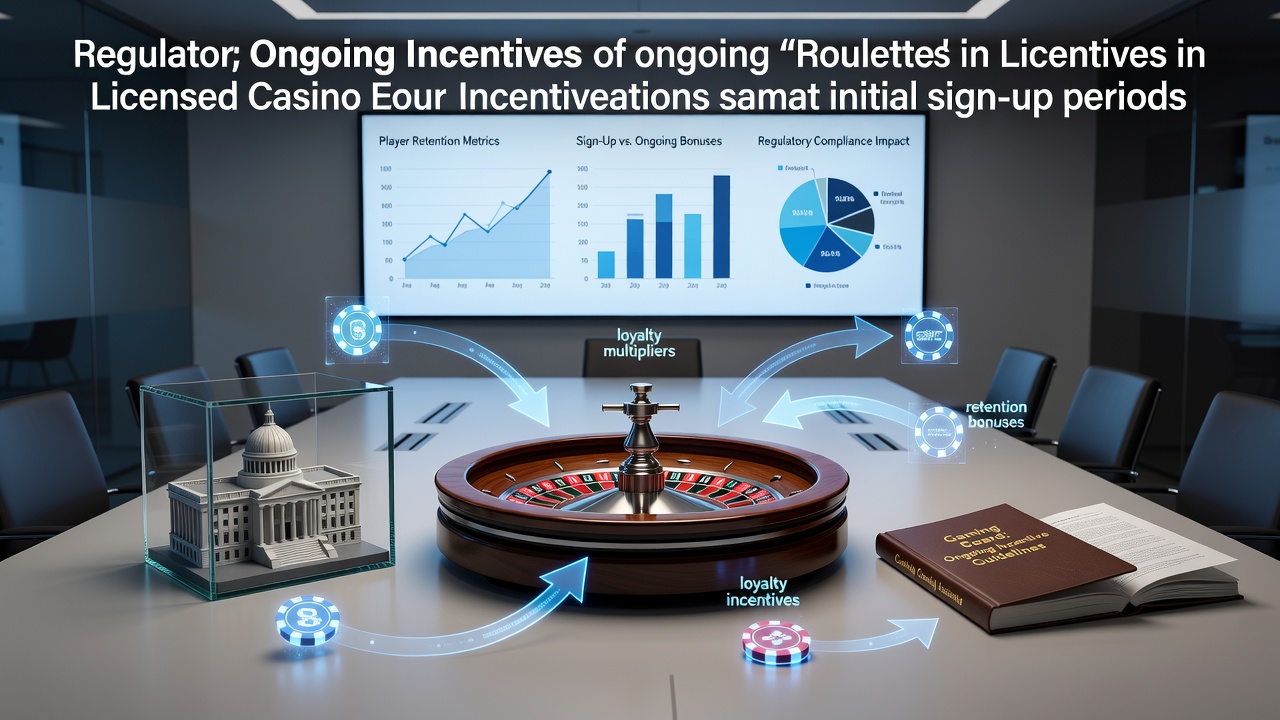
Licensed casino operations face strict rules that extend well beyond welcome packages, and these frameworks directly shape how reload bonuses, loyalty rewards, and cashback offers for roulette continue to function. Regulators require operators to maintain responsible gambling standards, anti-money laundering protocols, and transparent terms that apply to every incentive offered after the initial sign-up period. Data from multiple jurisdictions shows these requirements often limit bonus percentages, impose stricter wagering thresholds, and mandate clear communication of expiry dates.
Core Licensing Conditions That Govern Persistent Offers
Operators must embed compliance mechanisms into their systems before any ongoing roulette promotion launches, and this process starts with approval from the relevant licensing authority. Rules typically demand that loyalty programs track player activity in ways that prevent excessive losses, while reload incentives must include caps tied to verified deposit patterns. In July 2026 several markets updated their guidelines to require real-time monitoring of bonus usage, forcing casinos to adjust roulette-specific rewards so they align with updated player protection metrics.
Those adjustments often appear in the form of tiered loyalty structures where higher levels unlock better roulette cashback rates yet still remain subject to monthly spending ceilings. Research indicates these ceilings reduce the frequency of large-scale promotions while increasing the number of smaller, recurring offers that keep players engaged without triggering regulatory flags.
Regional Variations in Ongoing Bonus Oversight
Different licensing regimes apply distinct pressures on roulette incentives. European authorities emphasize consumer protection through mandatory cool-off periods that interrupt long-running loyalty cycles, whereas North American state regulators focus more on revenue reporting and tax compliance tied directly to bonus redemptions. Australian frameworks, for instance, require operators to publish average return-to-player figures for any roulette game linked to ongoing promotions, which influences how casinos structure cashback percentages.
One study from the Alcohol and Gaming Commission of Ontario revealed that licensed sites adjusted reload bonus frequencies after new reporting rules took effect, resulting in shorter promotion windows but higher participation rates among verified players. Similar patterns emerged in other regions where regulators demanded clearer separation between bonus funds and real-money balances during roulette play.
Compliance Tools That Shape Incentive Design
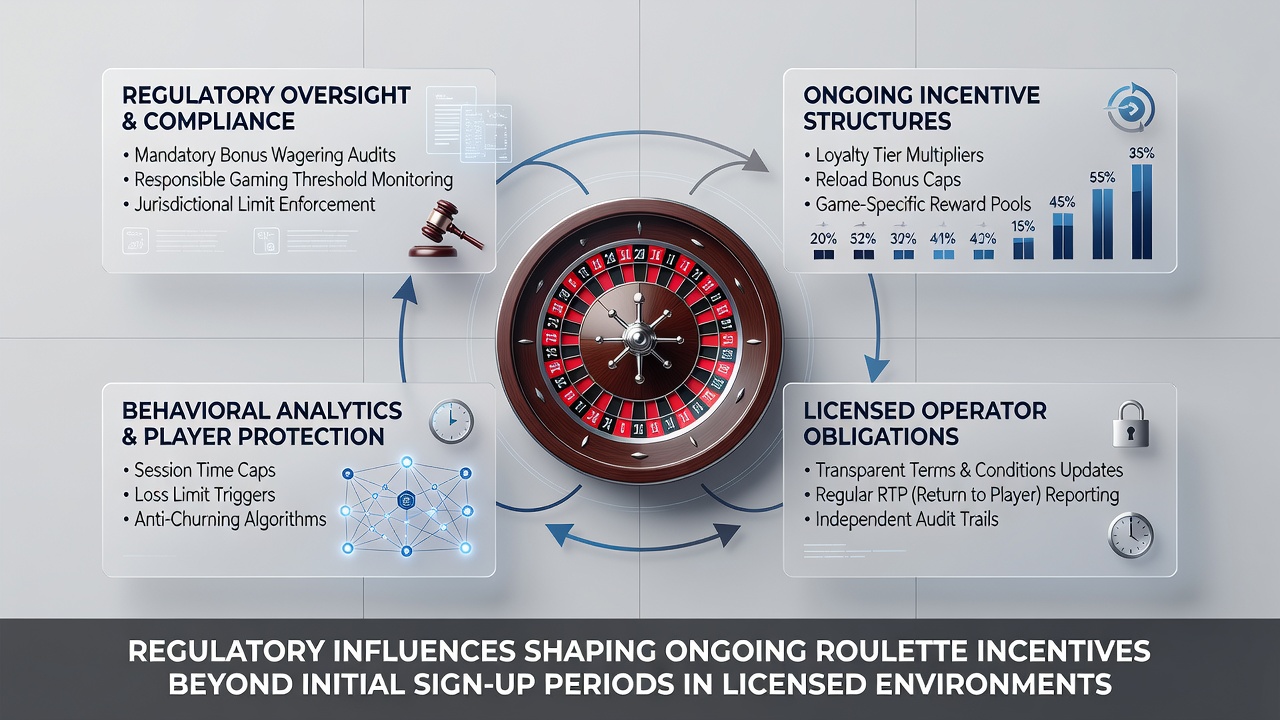
Modern platforms integrate automated systems that flag bonus activity exceeding regulatory thresholds, and these tools directly affect how casinos time and size their roulette rewards. Operators now routinely apply dynamic wagering multipliers that adjust based on a player's recent activity history, ensuring compliance while still delivering value. Figures from industry reports show this approach reduces dispute rates because terms remain consistent across multiple promotions rather than changing with each campaign.
Yet the same systems create operational challenges when regulators introduce new data-sharing requirements. Casinos must then recalibrate their loyalty algorithms, often resulting in temporary pauses to certain roulette cashback offers until the updated software receives approval. Observers note that these pauses tend to last only a few weeks, after which operators resume with modified structures that satisfy both commercial goals and oversight standards.
Impact on Player Behavior and Casino Revenue Streams
Long-term roulette incentives under regulatory scrutiny tend to favor steady engagement over high-volume bursts, and this shift appears in aggregated transaction data across licensed markets. Players encounter more frequent but smaller reload bonuses that accumulate value gradually rather than through single large deposits. Evidence suggests this pattern aligns with responsible gambling objectives while still supporting consistent revenue for operators.
Tax treatment of bonus redemptions also plays a role. In jurisdictions where winnings from bonus funds face different reporting rules, casinos redesign roulette promotions to minimize administrative overhead. This often means limiting the types of games eligible for ongoing rewards or capping the maximum redeemable amount per cycle.
Conclusion
Regulatory frameworks continue to evolve, and their influence on roulette incentives beyond initial sign-up periods remains a defining factor in how licensed casinos structure loyalty programs, reload offers, and cashback schemes. Operators respond by embedding compliance into every stage of promotion design, which produces more transparent yet sometimes less generous rewards. As new guidelines emerge in various regions, the pattern of adjustment and recalibration is expected to persist, keeping ongoing roulette incentives closely aligned with licensing conditions.