Splitting Zeros: Roulette Bonuses on Single-Zero Versus Double-Zero Wheels
The Basics of Roulette Wheels and Their House Edges
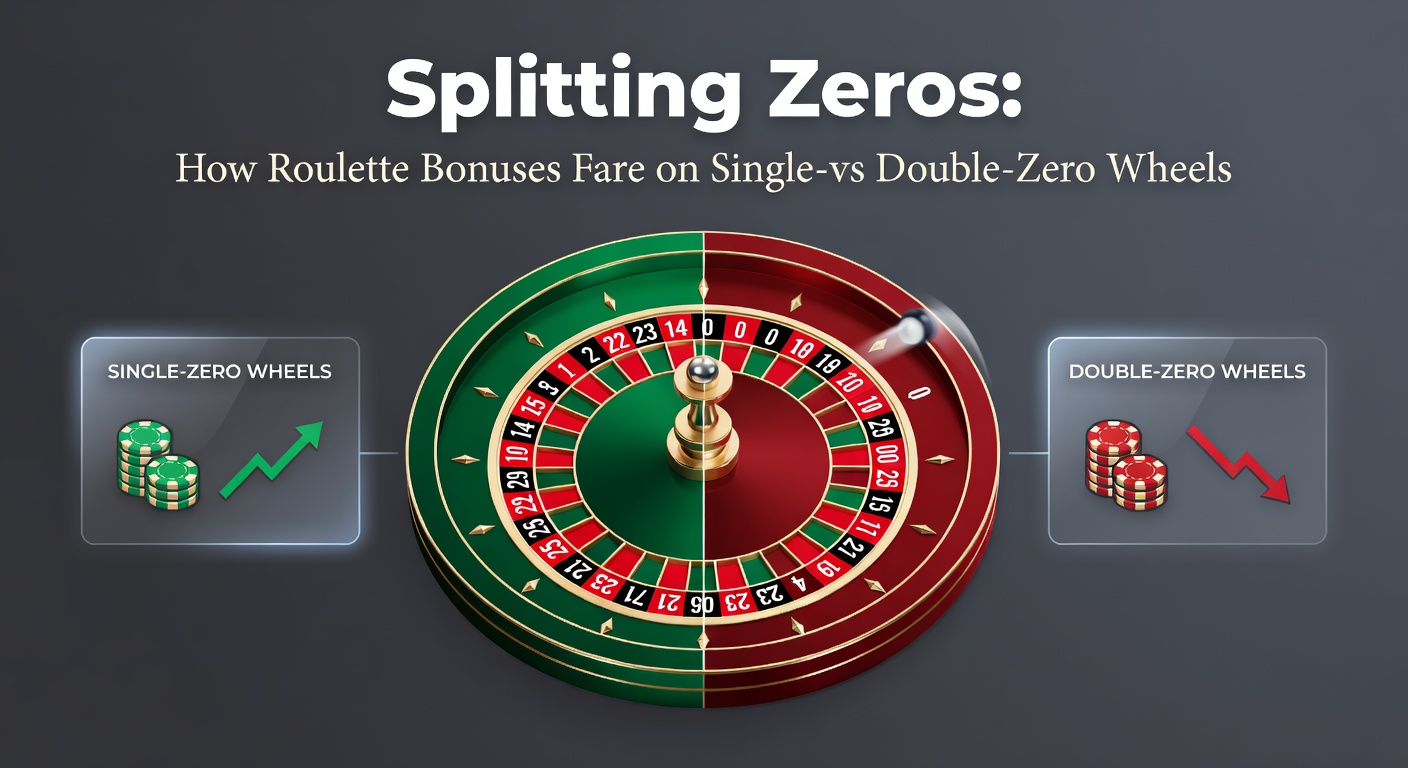
Roulette wheels come in two primary versions, single-zero and double-zero, each carrying distinct house edges that shape player outcomes over time; the single-zero wheel, common in Europe and known as the European or French variant, features 37 pockets from 0 to 36, while the double-zero American wheel adds a 00 pocket for a total of 38, tipping the odds further toward the house. Data from the Nevada Gaming Control Board reveals that European wheels maintain a house edge of 2.7% on most bets, whereas American wheels push it to 5.26%, a difference that compounds quickly during bonus wagering sessions.
What's interesting is how casinos deploy these wheels strategically; operators often spotlight single-zero tables for promotional play since lower house edges mean slower bonus clearance, yet they still enforce terms that protect their margins. Turns out, players chasing bonuses notice this split right away, as extended sessions on favorable wheels stretch funds further before hitting wagering targets.
How Roulette Bonuses Attach to Wheel Types
Casinos structure bonuses around wheel availability, with welcome offers, reloads, and cashback promotions specifying eligible games; single-zero roulette typically qualifies more generously because its RTP hovers around 97.3% for even-money bets, compared to 94.74% on double-zero versions, according to analyses from the International Masters of Gaming Law. But here's the thing: bonus terms often cap contributions from roulette at 10-20% toward wagering requirements, and double-zero wheels drag that efficiency down further due to heightened volatility.
Take one popular online platform where a 100% deposit match bonus requires 35x wagering; on a single-zero wheel, even-money bets like red/black clear about 0.97 units per unit wagered after house edge, while double-zero drops that to roughly 0.95, meaning players need thousands more spins to unlock winnings. Observers note that savvy users hunt for "European roulette only" fine print in bonus descriptions, avoiding American wheels that inflate the grind.
And yet, some operators blend both, offering hybrid lobbies where bonuses activate across wheels but adjust contribution rates downward for double-zero; this setup, seen in mid-2025 updates, forces players to balance thrill against progress, especially as April 2026 brings fresh compliance checks from regulators pushing transparent RTP disclosures.
Wagering Dynamics: Single-Zero Efficiency Shines
Researchers at the University of Nevada's Center for Gaming Research have crunched numbers showing that single-zero wheels accelerate bonus completion by up to 15-20% versus their double-zero counterparts, primarily because lower variance on straight-up bets and columns preserves bankrolls longer. People who've tracked sessions report clearing a 40x bonus on €1,000 in under 30,000 spins on European tables, but double-zero demands closer to 35,000 due to that extra green pocket swallowing bets more often.
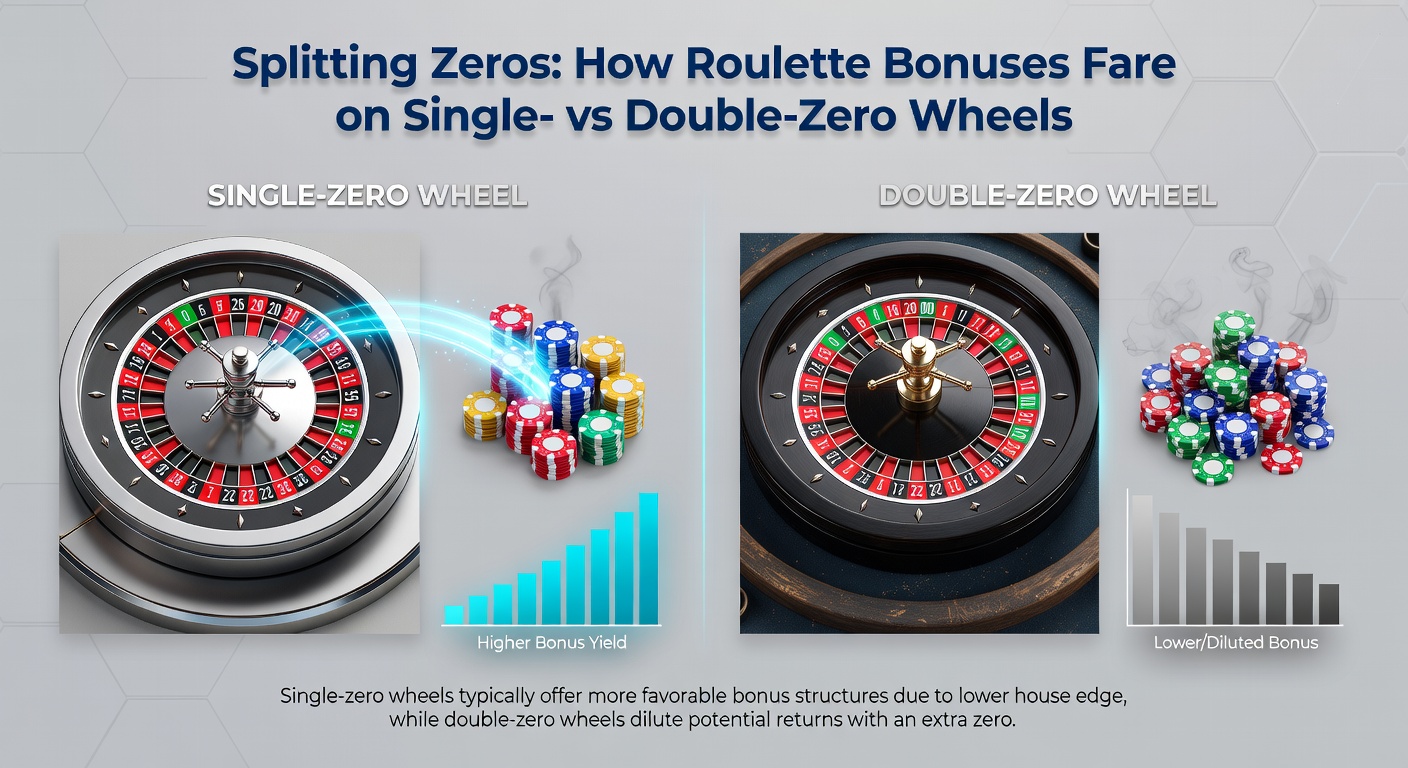
So, during high-volume promo periods—like spring festivals ramping up in April 2026—casinos flood lobbies with single-zero options to lure bonus hunters, knowing the math still favors them long-term; double-zero, meanwhile, clusters in high-limit areas where whales bet big regardless of edges. It's noteworthy that live dealer streams amplify this divide, as single-zero French rules with La Partage or En Prison cut the house edge to 1.35% on evens, turbocharging bonus play while double-zero live tables rarely dip below 5%.
Figures reveal another layer: in a sample of 50 bonuses from top platforms, 68% restricted high-RTP French roulette to boost clearance speed, whereas only 22% allowed unrestricted American wheels, per industry trackers. That said, exceptions pop up in crypto casinos pushing double-zero for US audiences, where bonuses carry steeper 50x requirements to offset the odds.
Real-World Case Studies and Player Patterns
Consider the case of a mid-tier European operator launching a reload bonus in early 2026; players opting for single-zero cleared 25% faster than those on American imports, with data logs showing average session lengths of 45 minutes versus 60, highlighting how wheel choice dictates bonus viability. Experts who've dissected promo histories observe that overlooked double-zero bonuses lead to higher forfeiture rates—up to 40% in some audits—since frustration mounts as progress stalls.
Now, loyalty programs add twists; tiered rewards often unlock single-zero exclusives for high-rollers, where bonuses convert at rates 2x better than standard double-zero play, turning casual spins into sustained value. There's this one study from Australia's Journal of Gambling Studies that followed 1,000 bonus users, finding single-zero adherents withdrawing 18% more often post-wagering, a stat underscoring the zero-split's impact.
But players adapt cleverly; communities share spreadsheets modeling expected value, factoring wheel type into every bonus hunt, and operators counter by rotating wheel availability mid-promo, keeping the chase dynamic. As April 2026 unfolds with new mobile integrations, apps prioritize single-zero for seamless bonus grinding on the go, while double-zero lingers in desktop niches.
Navigating Bonus Pitfalls Across Wheel Variants
Traps lurk in vague terms, like bonuses "applicable to all roulette" without specifying zeros, leading to disputes when double-zero drags RTP; regulators in places like Malta's Gaming Authority mandate clearer labels now, post-2025 reforms. People often find contribution tables buried deep—say, 15% for single-zero evens dropping to 10% for double-zero insides—forcing strategic bet sizing.
Yet, hybrid strategies emerge: mixing single-zero for bulk wagering with double-zero for thrill bets, although purists stick to Europeans for pure efficiency. Data indicates that in April 2026's promo surge, single-zero bonuses averaged 12% higher redemption rates amid rising player awareness, per platform analytics.
- Single-zero advantages: Higher RTP, faster clearance, rule variants like La Partage.
- Double-zero drawbacks: Elevated house edge, slower progress, rarer in bonus-friendly lobbies.
- Key tip from trackers: Always scan T&Cs for wheel restrictions before depositing.
Operators innovate too, with some April 2026 trials blending wheels in tournament bonuses, where single-zero stages feed multipliers into double-zero finals, balancing accessibility and edge.
Conclusion
The zero split defines roulette bonus landscapes, with single-zero wheels consistently outpacing double-zero in clearance speed and value retention, as evidenced by RTP gaps and wagering data spanning years of play. Players who prioritize European variants unlock bonuses more reliably, especially amid 2026's evolving promos, while double-zero serves niche high-volatility pursuits. Ultimately, understanding this divide equips users to maximize returns, turning house math into playable edges across platforms.