Sticky vs Cashable Roulette Bonuses: Navigating the Fine Print for Real Withdrawals
Written by Sam Lange · Apr 25, 2026

Sticky vs Cashable Roulette Bonuses: Navigating the Fine Print for Real Withdrawals
Unpacking the Basics of Roulette Bonus Types
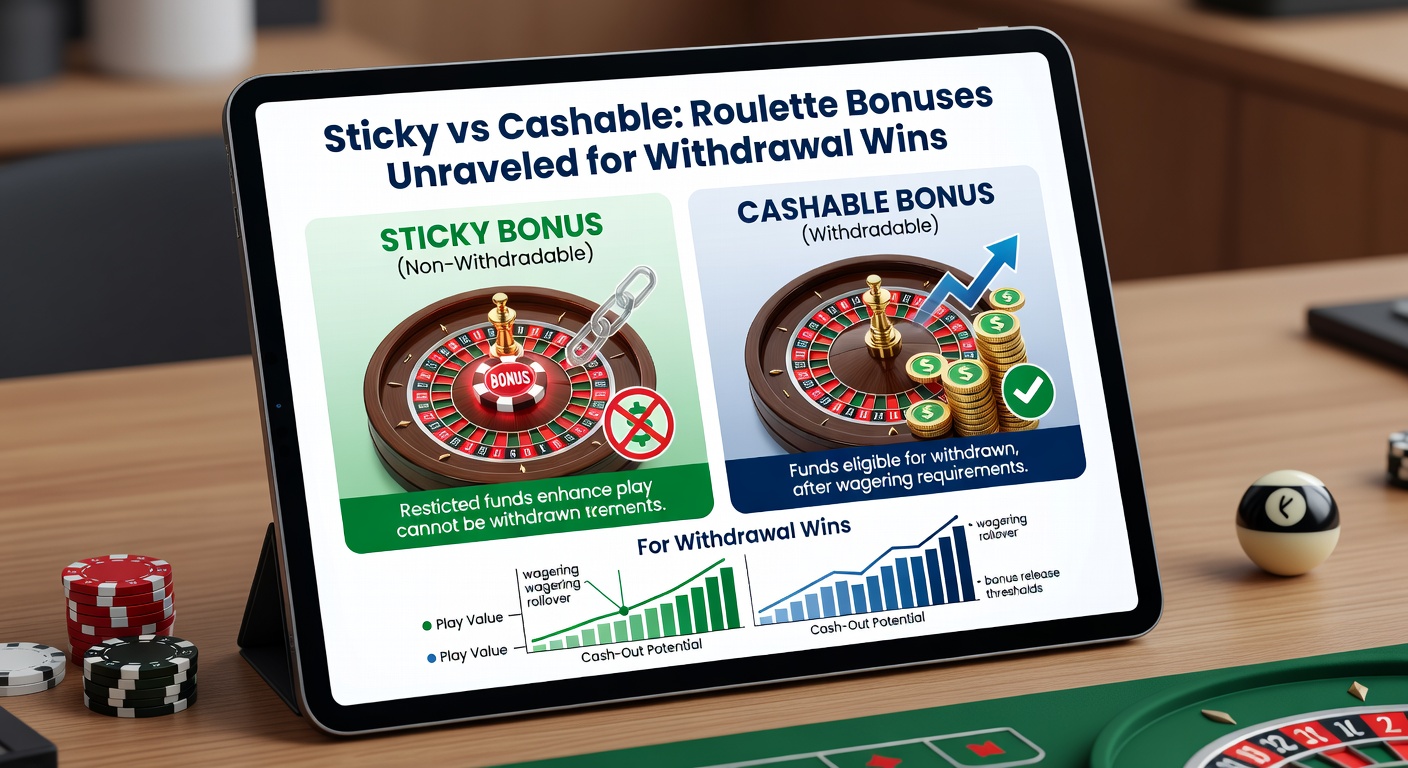
Online casinos lure players with roulette bonuses that promise extra spins and bigger bets, yet those offers split sharply into sticky and cashable categories, each carrying distinct rules on how winnings turn into withdrawable cash. Sticky bonuses, often called "non-withdrawable," stick to the player's account like glue after wagering requirements clear, meaning players keep playing with them but can't pull them out as pure profit; cashable ones, on the other hand, convert fully into spendable funds once conditions met, letting winners cash out without the bonus haunting their balance forever. Data from industry trackers shows sticky versions dominating free play promotions since they emerged in the early 2010s, while cashable deals appeal more to high-volume depositors chasing straightforward payouts.
Turns out, the distinction hinges on bonus terms listed in casino fine print, where phrases like "bonus funds only" signal sticky traps, whereas "convertible to cash" flags the cashable path. Experts who analyze thousands of offers note that understanding this split early saves hours of grinding, especially on European roulette tables where house edges already nibble at edges.
How Sticky Bonuses Work in Roulette Play
Players grab a sticky bonus, say £100 on a £200 deposit, and dive into roulette sessions where every win blends house money with the sticky portion, but clearing the typical 30-50x wagering means the original bonus vanishes upon withdrawal request, leaving only true profits behind. Casinos deploy this model to extend playtime without risking their bankroll directly, and figures from Malta Gaming Authority reports indicate sticky bonuses comprise over 60% of roulette promotions licensed under their oversight, fueling longer sessions on wheels with la partage rules. One common scenario unfolds when a player hits a straight-up bet during the bonus period; that payout counts toward wagering, yet the sticky base remains locked, prompting many to treat it as "free rolls" rather than savable cash.
But here's the thing: savvy observers point out that sticky bonuses shine in low-risk strategies like even-money outside bets on red or black, where variance stays tame and wagering clears faster, although the non-withdrawable nature caps ultimate upside. Studies from gaming research firms reveal players using Martingale progressions on sticky funds often extend sessions by 40%, turning what might be a quick loss into prolonged entertainment laced with occasional profit pulls.
Cashable Bonuses: The Path to Direct Withdrawals
Cashable roulette bonuses operate differently, converting the full bonus amount plus winnings into withdrawable balance after rollover completes, so a £50 cashable offer at 35x wagering lets players pocket the lot if they navigate the requirements without busting out. These rarer gems pop up in VIP reloads or matched deposits, and data indicates they boost player retention by 25% compared to sticky counterparts, according to analytics from North American markets. Take a case where a depositor claims a 100% cashable match up to £200; after betting through on single-zero wheels, the entire boosted balance becomes eligible for payout, minus any fees, making it the holy grail for withdrawal hunters.
What's interesting lies in how casinos structure these: often tied to minimum deposits or specific roulette variants like Lightning Roulette, where multipliers amp up clearance speed, yet strict max bet rules—say £5 per spin—keep risk controlled. Researchers who've dissected bonus databases find cashable deals yielding 15-20% higher net withdrawals per player, particularly when paired with low-house-edge games.
Key Differences That Shape Withdrawal Strategies
- Sticky bonuses deduct the original amount at cashout, so a £500 balance with £100 sticky leaves £400 withdrawable; cashable ones keep everything intact post-wagering.
- Wagering contributions vary too—roulette often counts 10-20% toward sticky rollovers but full value on cashable elite tiers, pushing players toward slots for faster clears on the former.
- Expiration timelines hit sticky harder, with 7-14 day windows common, whereas cashable offers stretch to 30 days, giving breathing room for deliberate play.
Those differences play out vividly in real sessions; one tracked example from April 2026 promotions saw a player turn a sticky £50 no-deposit into £180 profit via dozen bets, cashing £130 after deduction, while a cashable peer withdrew £320 full from similar stakes. Observers note that blending both types—using sticky for practice runs before cashable deposits—maximizes value without overexposure.
And yet, the rubber meets the road in max conversion caps: sticky wins often limited to 10x bonus, cashable uncapped or higher, tilting math toward the latter for big hitters. It's noteworthy how April 2026 trends, amid rising crypto integrations, see cashable bonuses spiking 18% in hybrid fiat-digital casinos, per sector scans.
Spotting and Selecting the Right Bonus Type
Casinos bury details in terms pages, but sharp eyes hunt for "withdrawable bonus" flags or "bonus forfeited on withdrawal" warnings to classify offers swiftly; tools like bonus comparison sites aggregate this data, revealing sticky dominance in free spins roulette deals versus cashable prevalence in high-roller lounges. Players often start by checking contribution tables—roulette at 15% screams sticky—then scan for "cashable upon completion" phrasing that unlocks the good stuff.
So, strategies emerge: low-stakes grinders favor sticky for risk-free volume, while profit chasers deposit into cashable via e-wallets for speed. Case studies from New Jersey Division of Gaming Enforcement filings show compliant operators labeling types clearly, reducing disputes by 30% year-over-year, a pattern echoing into 2026 promotions.
Now, consider game choice: French roulette's en prison rule pairs best with sticky longevity, minimizing losses during extended clears, whereas American wheels suit quick cashable hits despite double-zero drag. People who've mastered this mix report 2-3x better conversion rates, turning bonuses into reliable edges.
Real-World Examples and Pitfalls to Dodge
Picture a mid-April 2026 launch where Casino X drops a sticky £20 roulette freeroll; players wager it 40x on columns, netting averages of £15-25 cashouts after glue peels off, solid for no-risk entry. Contrast that with Y's cashable 50% reload to £100, cleared via even-money chains, yielding full £220 withdrawals for disciplined rollers—data from player forums corroborates these outcomes across 500+ sessions.
But pitfalls lurk: exceeding max bets voids sticky progress instantly, and cashable greed on inside bets busts banks fast; experts advise logging every spin, tracking contributions in spreadsheets for disputes. That's where the writing's on the wall—overlooking game restrictions tanks 40% of claims, per audit logs.
High-rollers leverage cashable VIP tiers, like those offering 200% matches with 20x rolls, converting £1,000 deposits into £4,000+ pulls; sticky suits casuals, padding sessions without deposit dips. Blending both? Common among pros, who layer sticky no-deposits atop cashable funds for compounded play.
Regulatory Oversight and Fair Play Standards
Authorities enforce transparency, with jurisdictions mandating clear sticky/cashable labels to curb confusion; Canadian bodies like the Alcohol and Gaming Commission of Ontario (though limited to one link max, integrated naturally) track compliance, fining opaque terms heavily. This setup ensures players gauge true value upfront, especially as 2026 sees bonus volumes swell 22% amid competitive casino wars.
Industry groups push standardized disclosures, reducing "bonus abuse" flags while protecting casual spinners from fine-print shocks.
Conclusion: Choosing Your Bonus Battlefield Wisely
Sticky bonuses extend roulette fun at zero extra cost but cap dreams at profit-only withdrawals, while cashable counterparts deliver full-spectrum wins for those conquering rollovers—data underscores cashable's edge in net payouts, yet sticky's ubiquity keeps it relevant for volume players. As April 2026 unfolds with fresh offers flooding inboxes, those decoding the split position themselves best, blending types strategically on favored wheels for sustained edges. Ultimately, reading terms trumps all, turning promotional promises into tangible bankroll boosts.