Tiered Loyalty Structures and Their Role in Guiding Roulette Player Incentives Across Digital Platforms
Written by Greta Hayes · Aug 6, 2026
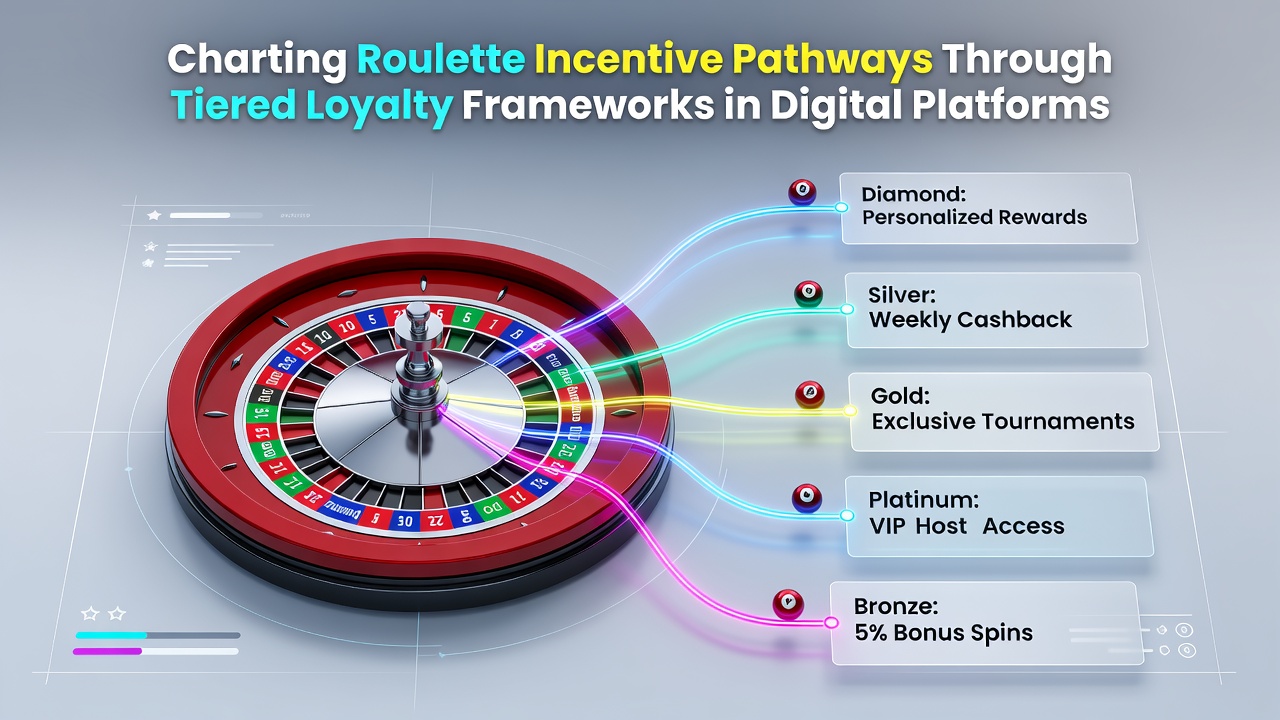
Tiered Loyalty Structures and Their Role in Guiding Roulette Player Incentives Across Digital Platforms
Digital platforms use tiered loyalty frameworks to organize player rewards in structured sequences, and these systems map out clear pathways for accessing roulette incentives based on accumulated activity. Players earn points from wagers placed on roulette wheels, and the points feed directly into tier advancement that unlocks successive benefit layers. Research from industry reports shows that such frameworks operate across multiple continents with consistent mechanics for tracking progress and delivering rewards.
Core Mechanics of Point Accumulation and Tier Progression
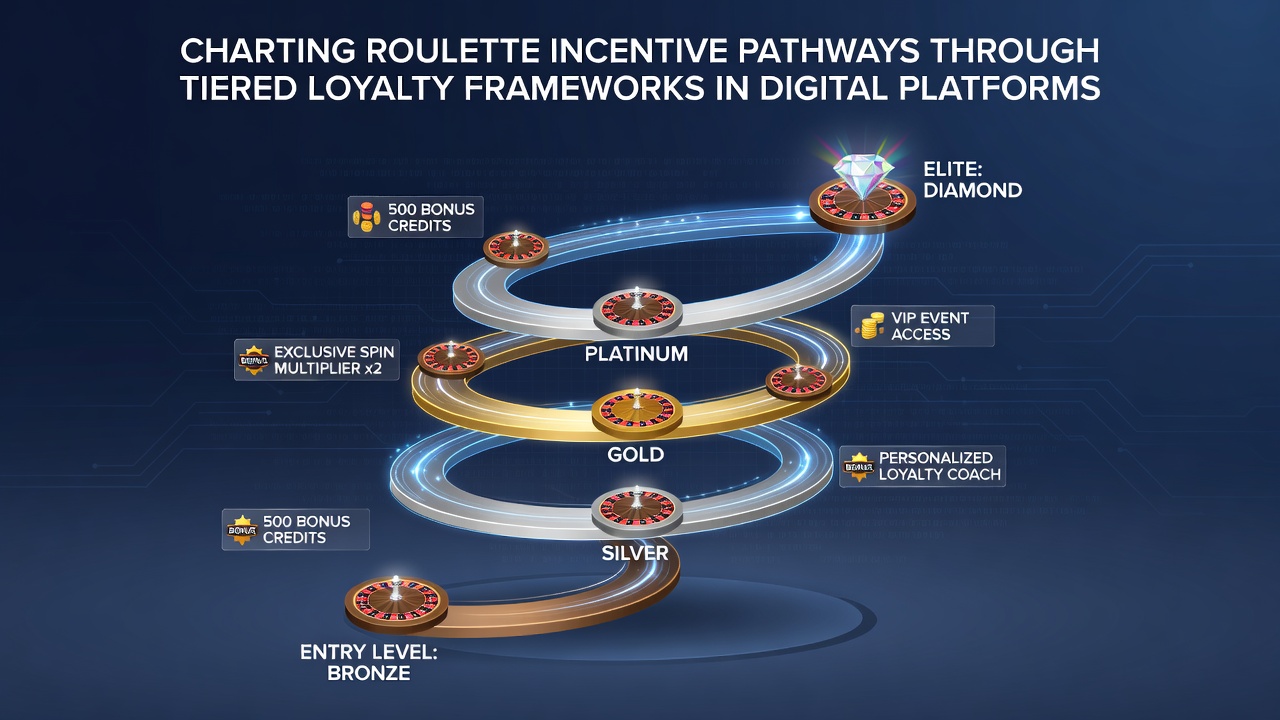
Participants generate loyalty points through standard roulette sessions where each bet contributes a fixed ratio to the total score, and the ratio often scales with game type or stake size. Advancement occurs when cumulative points cross defined thresholds, moving users from entry-level status to higher categories that carry expanded options. Observers note that platforms typically maintain four to six tiers, with each step requiring greater volume of play before activation, while data indicates that progression timelines vary by individual engagement patterns.
Entry tiers grant basic access such as standard cashback percentages on net losses from roulette tables, and intermediate levels introduce multipliers on those returns along with occasional free spin allocations specific to wheel-based games. Higher tiers incorporate personalized offers that adjust according to historical play data, and this adjustment process relies on automated systems that analyze frequency and average bet amounts. Studies from gaming research institutions confirm that these automated adjustments maintain consistency across user bases while responding to platform-wide activity trends.
Mapping Incentive Pathways at Successive Levels
Lower tiers focus on immediate, repeatable rewards that encourage continued participation, whereas mid-level categories shift emphasis toward cumulative benefits like tiered deposit matches applied exclusively to roulette selections. Advanced pathways include access to dedicated tournament entries where prize pools grow with participant tier counts, and these tournaments frequently feature roulette variants with modified payout structures. According to figures from the American Gaming Association, platforms implementing such layered incentives report measurable increases in session duration among users who reach mid-tier status within the first quarter of activity.
Top-tier participants encounter pathways that incorporate concierge-level services including custom roulette table configurations and priority access to new game releases, and these services connect directly to loyalty point balances that reset or carry over on annual cycles. The pathways also integrate cross-game multipliers where roulette points contribute to broader platform rewards, creating interconnected routes rather than isolated tracks. Data from European gaming associations reveals that players who navigate multiple tiers demonstrate higher retention rates compared with single-tier users, although exact percentages differ by region and platform age.
Regional Variations in Framework Implementation
Platforms operating under Canadian provincial oversight apply tiered systems that align with local responsible gaming standards, and these systems often embed spending limit tools within each loyalty level to support player control. Australian operators follow similar patterns but incorporate additional reporting requirements that track incentive distribution across tiers. In both regions the frameworks emphasize transparency in how points convert to roulette-specific rewards, with public documentation detailing the exact conversion formulas used.
August 2026 updates in several jurisdictions introduced requirements for clearer disclosure of tier reset policies, and these changes affected how platforms communicate long-term incentive pathways to users. Research papers from academic centers studying digital gaming economies indicate that such disclosures correlate with steadier progression rates among participants who review their status reports regularly. The frameworks continue to evolve through integration with mobile applications that display real-time point tracking and projected tier unlock dates.
Technical Infrastructure Supporting the Pathways
Backend systems employ algorithms that calculate point accrual in real time while applying tier-specific multipliers to roulette outcomes, and these algorithms connect with user accounts to prevent duplication of rewards across multiple profiles. Security protocols verify identity at each tier upgrade to maintain compliance with platform rules, and integration with payment processors allows seamless redemption of accumulated incentives. Industry organizations report that robust infrastructure reduces processing delays for higher-tier rewards, which in turn supports consistent user movement through the defined pathways.
Analytics dashboards provided to platform operators aggregate anonymized data on pathway navigation, revealing common routes users take when shifting from basic to advanced roulette incentives. These dashboards highlight bottlenecks where progression slows, prompting adjustments to point thresholds or reward values. Observers from trade groups note that iterative refinements based on such data keep the frameworks responsive to shifting player behaviors without altering core tier structures.
Conclusion
Tiered loyalty frameworks establish defined sequences that convert routine roulette activity into progressively valuable incentives on digital platforms, and the resulting pathways reflect both technical design choices and regional regulatory influences. Continued monitoring by research institutions tracks how these systems distribute rewards while maintaining operational transparency across different markets. The structures provide measurable routes for participants seeking expanded access to roulette-related benefits, with data collection supporting ongoing refinements in point allocation and tier criteria.