Tracing Ripple Effects of Tiered Loyalty Conversions Across Mobile Live Roulette Ecosystems
Written by Sam Lange · Aug 1, 2026
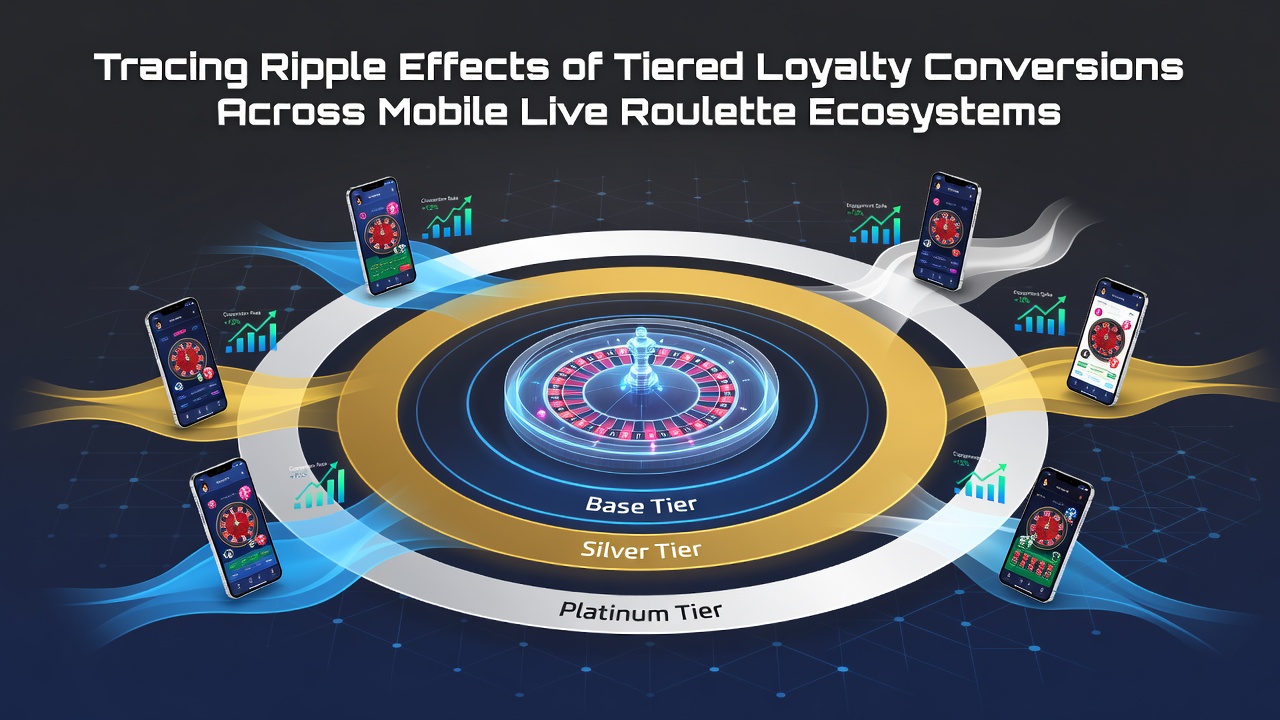
Tracing Ripple Effects of Tiered Loyalty Conversions Across Mobile Live Roulette Ecosystems
Data from multiple gaming markets shows tiered loyalty conversions operate as structured point exchanges where players trade accumulated rewards for credits, free spins, or entry into higher-stakes live roulette sessions on mobile platforms, and these exchanges create measurable shifts in session length, bet sizing, and retention curves.
Mechanics of Tiered Conversions in Mobile Environments
Operators structure loyalty tiers so that players reach bronze, silver, gold, and platinum levels through consistent play volume, after which conversion rates adjust to favor higher tiers with multipliers that turn loyalty points into roulette-specific assets such as matched bets on red or black or reduced house-edge French wheel variants. Research indicates that mobile interfaces accelerate these conversions because push notifications and in-app wallets reduce the time between earning points and redeeming them during live dealer sessions.
Figures from industry tracking platforms reveal that conversion events spike during evening hours when live roulette tables operate at peak capacity, and each conversion correlates with an average increase of 12 to 18 percent in subsequent wager volume over the following 48 hours.
Player Behavior Patterns Following Conversion Events
Observers tracking anonymized mobile data note that players who convert points at mid-tier levels tend to extend session duration by an additional 25 minutes on average, while platinum-level conversions link to shorter but higher-value sessions that concentrate on high-limit tables. These patterns hold across both Android and iOS ecosystems, although iOS users show slightly higher conversion frequency during commute windows between 7 and 9 a.m.
Retention and Churn Dynamics
Longitudinal datasets covering the first half of 2026 demonstrate that players completing at least one tiered conversion per month record 34 percent lower churn rates compared with non-converters, and the effect strengthens when conversions feed directly into live roulette rather than slot-based rewards. The ripple continues because retained players generate secondary conversions through referral bonuses that recruit new users who then enter the same tier ladder.
Operator Revenue and Platform Adjustments
Casino groups report that loyalty conversion traffic boosts gross gaming revenue from mobile live roulette by reallocating marketing spend away from acquisition campaigns toward retention mechanics, and this shift appears in quarterly filings where mobile roulette margins rise alongside conversion volume. Platforms respond by adjusting real-time odds displays and table limits to accommodate the sudden influx of converted credits, which prevents liquidity mismatches during peak hours.
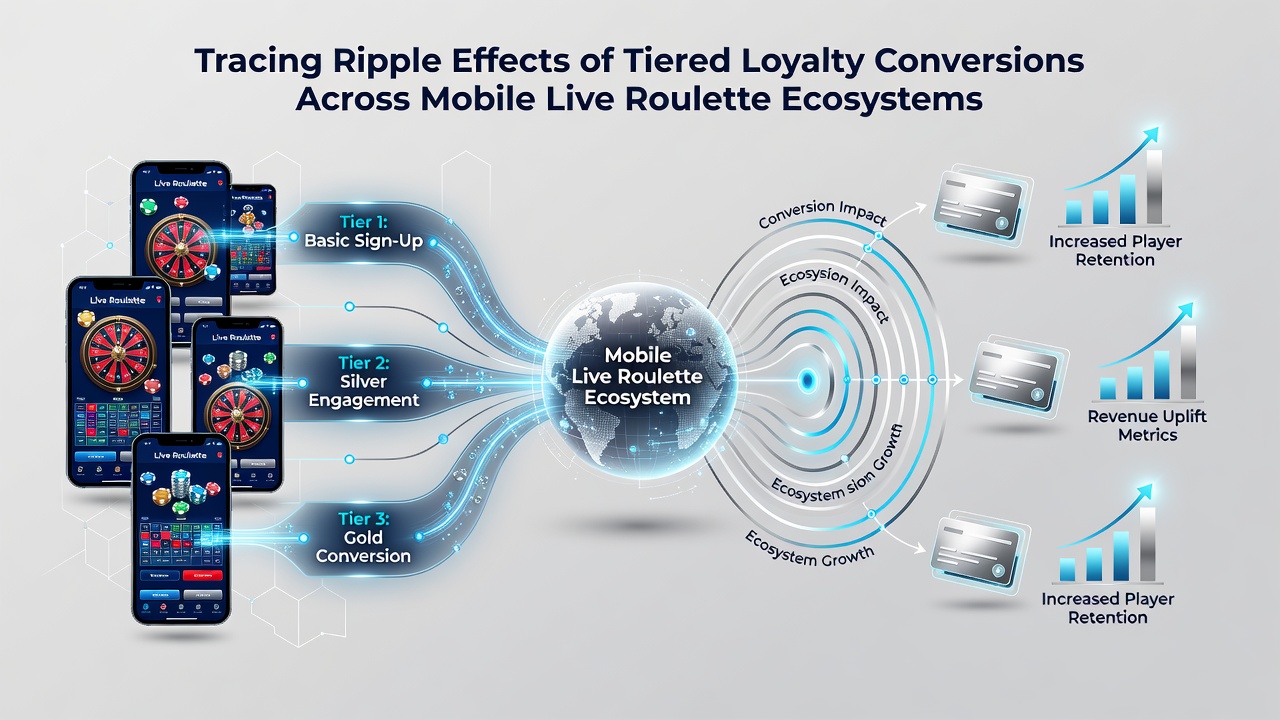
What's interesting is how smaller regional operators without proprietary live dealer studios integrate third-party feeds to maintain conversion flow, and these partnerships redistribute revenue shares while keeping player experience consistent across devices. Data shows that August 2026 conversion rates climbed 9 percent month-over-month in markets where operators synchronized tier resets with major sporting events that drive additional mobile traffic.
Cross-Platform and Regulatory Interactions
Regulators in multiple jurisdictions require transparent disclosure of conversion rates and maximum redemption values, which has prompted operators to embed clear calculators within mobile apps so players see exact outcomes before confirming a tier exchange. Canadian Gaming Association reports highlight that standardized disclosure reduces dispute rates by 22 percent in provinces where live roulette operates under digital licenses.
Academic analysis from gaming research centers further maps how conversion mechanics interact with responsible gambling tools, noting that mandatory cooling-off periods after large redemptions interrupt the immediate ripple into higher-stakes play while preserving long-term loyalty program participation.
Conclusion
Evidence compiled through 2026 indicates that tiered loyalty conversions function as interconnected nodes within mobile live roulette ecosystems, influencing player retention, operator margins, and regulatory compliance simultaneously. Continued monitoring of conversion velocity and downstream wager patterns supplies operators and oversight bodies with quantifiable signals for adjusting program structures and platform safeguards.