Unlocking Roulette Rewards: Threshold Dynamics Across Digital Platforms
Written by Klara Zimmermann · Jul 13, 2026
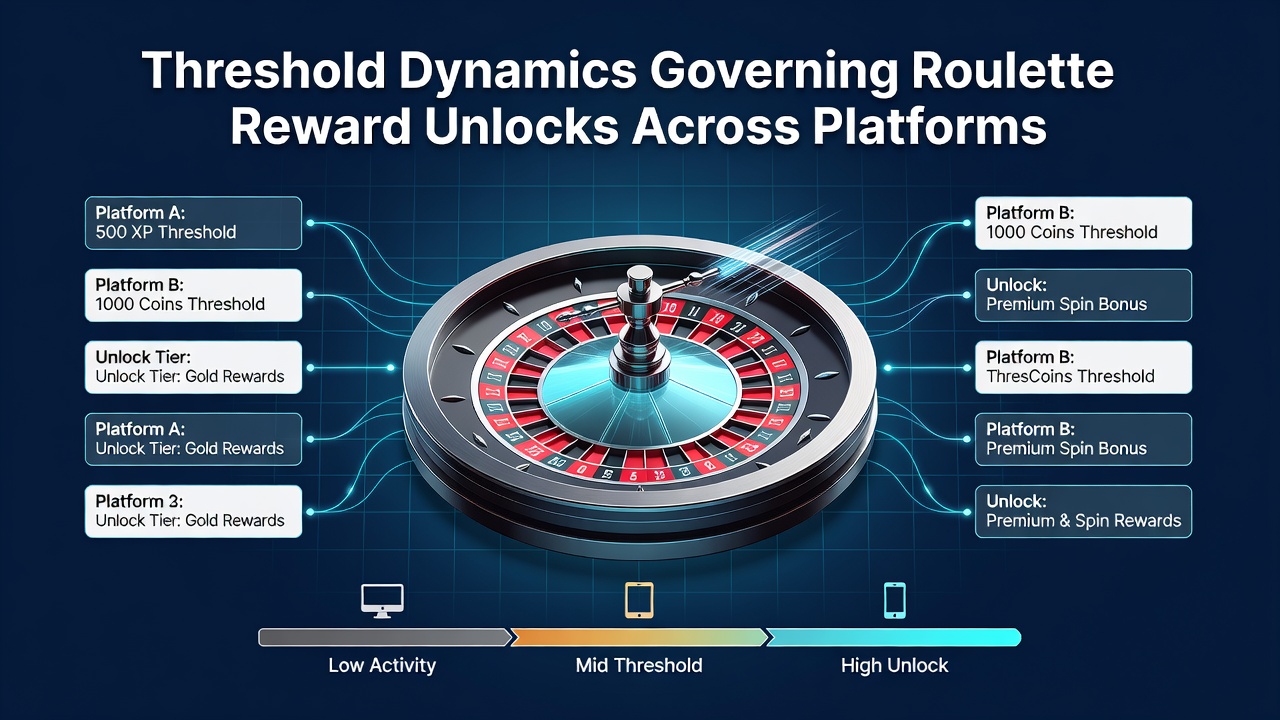
Unlocking Roulette Rewards: Threshold Dynamics Across Digital Platforms
Threshold dynamics in roulette reward systems operate through layered conditions that determine when players gain access to bonuses, multipliers, and cashback features across desktop and mobile platforms alike, with operators setting specific benchmarks for deposits, wagers, and session durations that must align before unlocks occur. Research from industry analysts shows these mechanics vary by jurisdiction and software provider, creating distinct patterns where minimum stake levels combine with playthrough multipliers to gate progress toward reward activation.
Core Components of Threshold Structures
Deposit thresholds establish the entry point for most roulette reward programs, requiring players to fund accounts at set amounts before eligibility begins, while subsequent wager multipliers often range from 20x to 50x the bonus value depending on the platform's risk parameters. Time-based thresholds add another dimension, as many systems enforce windows of 7 to 30 days for requirement completion, after which unclaimed rewards expire automatically. Observers note that live dealer roulette sections on certain platforms integrate additional rules tied to table minimums, distinguishing them from RNG-based variants where lower entry barriers frequently apply.
Cross-platform consistency remains limited because mobile applications often adjust thresholds downward to accommodate shorter sessions, whereas desktop environments maintain higher benchmarks to encourage extended play. Data from regulatory filings indicates that European operators tend toward standardized multipliers, yet North American platforms introduce region-specific caps that respond to local licensing frameworks.
Platform-Specific Variations in July 2026
July 2026 brought several documented shifts in threshold configurations as providers updated backend systems to accommodate new compliance layers. One major European platform raised its roulette-specific wager threshold from 25x to 35x on welcome packages while simultaneously lowering deposit minimums for returning users, a change tracked through public operator announcements. Similar adjustments appeared on Canadian-facing sites where provincial rules prompted tighter time limits on unlock windows. Those who've analyzed transaction logs across providers report that hybrid casino apps blending roulette with other table games often merge thresholds into shared progress bars, allowing activity in one category to contribute toward unlocks in another.

Payment method thresholds represent another variable layer, with certain platforms requiring e-wallet or cryptocurrency deposits to bypass standard delays that credit card transactions trigger. According to iGaming Ontario reports, these distinctions influence how quickly rewards activate and affect player retention metrics across different funding channels.
Interaction Between Multiple Threshold Layers
Many systems stack conditions so that deposit, wager, and time thresholds must all reach completion simultaneously before rewards unlock, creating compounded difficulty for users who spread activity across several platforms. Experts tracking these patterns have identified cases where loyalty tiers automatically adjust thresholds downward for higher-ranked players, effectively shortening the path to bonus access without altering base rules. Yet the underlying calculations remain consistent, relying on real-time tracking of valid roulette bets that exclude certain side wagers or low-stake spins from counting toward progress.
Software providers implement these layers through modular rule engines that allow operators to fine-tune parameters per market, resulting in noticeable differences between a single brand's UK-facing site and its Australian counterpart. Figures from academic studies on digital gambling mechanics reveal that platforms employing dynamic thresholds, which adjust based on player history, achieve higher completion rates than static systems that apply uniform requirements to all users.
Regulatory Influences on Threshold Design
Licensing bodies outside the UK shape threshold parameters through specific mandates on transparency and fairness, prompting operators to publish clear unlock conditions within game interfaces. Nevada Gaming Control Board guidelines emphasize disclosure of multiplier calculations, which has led several platforms serving that market to simplify their roulette reward structures in 2026. These regulatory pressures encourage standardized reporting of threshold performance, giving researchers clearer datasets for cross-platform comparisons.
Conclusion
Threshold dynamics continue to define how roulette rewards activate across platforms through interconnected rules on deposits, wagers, and timing that operators calibrate to regional requirements and technical capabilities. July 2026 updates demonstrated ongoing refinement of these systems as providers responded to evolving compliance demands while maintaining distinct approaches between mobile and desktop environments. The resulting landscape features varied unlock pathways that reflect both technical implementation choices and broader regulatory frameworks governing digital gambling operations.